

What Changes for Your Dog After Age Seven (And How to Stay Ahead of It)
Aug 05, 2026
Boone was the kind of dog who made you look bad at the dog park.
He came to us at two, a shepherd and lab mix with a chest like a barrel and no concept of tired. He could run a treeline for an hour and come back looking for round two. For five years that was just who he was. The dog who never quit. The dog you had to talk out of a third walk.
Then he turned seven, and one ordinary Saturday he did something he had never done before. He stopped halfway up the stairs and waited. Just for a second. He looked back at me like he was checking whether the second half was worth it. Then he went on up.
I almost missed it. That is the thing about a dog getting older. It does not arrive with an announcement. It arrives as one small pause on a staircase, and if you are not watching for it, you file it under nothing and move on.
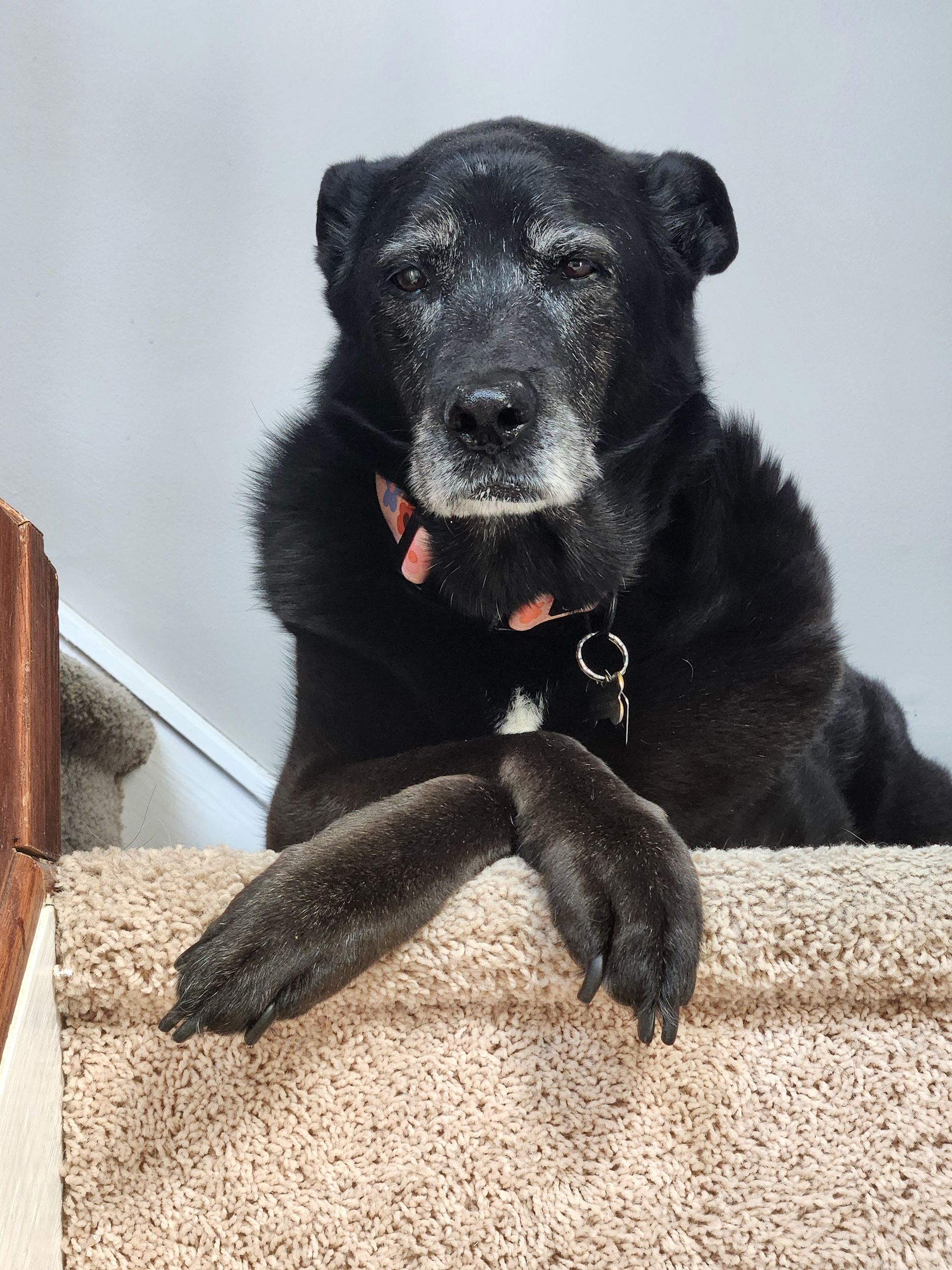
I want to talk about what actually changes after seven, because the more of it you can see coming, the more of it you can soften. None of this is about slowing your dog down before their time. It is the opposite. The dogs who stay active and comfortable into their old age are almost always the ones whose people started adjusting early, while there was still plenty of room to work with.
Age Seven Is Not the Same Age for Every Dog
Here is the first thing worth getting straight, because it changes everything else. Seven is a rough marker, not a birthday that means the same thing to every dog.
Size is the biggest factor. A small dog, think a terrier or a dachshund under twenty pounds, is barely middle age at seven and often has years before anything you would call senior. A big dog is a different story. Large and giant breeds age faster and earlier. A great dane or a mastiff can be a genuine senior at five or six. A lab or a shepherd like Boone lands somewhere in the middle, with the real shift usually showing up right around seven.
So the honest answer to when does my dog become a senior is that it depends on how big they are. The general shape of it:
Small dogs tend to hit their senior years around ten to twelve.
Medium dogs get there around eight to ten.
Large dogs are often seniors by seven or eight.
Giant breeds can be there by five or six.
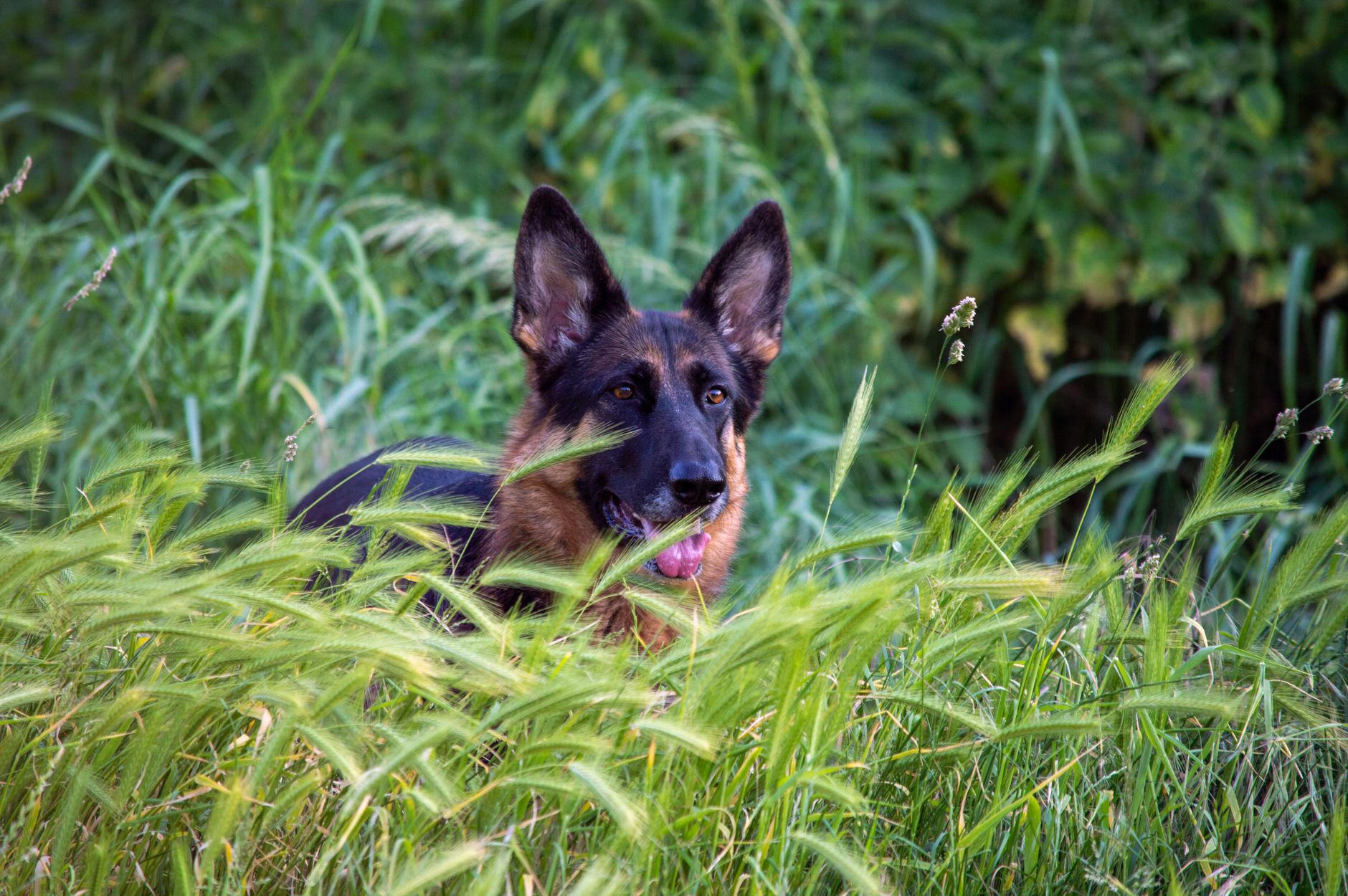
If you have a big dog, that is not bad news, it is a head start. It means you know to start watching sooner, and watching sooner is the entire game. The point is not to panic at seven. The point is to stop assuming your dog is the same animal they were at three and start paying a different kind of attention.
The Body Slows Down Before You See It Limp
The mistake almost everyone makes with joints is waiting for a limp. By the time a dog is visibly limping, the arthritis has usually been building for a long time. Dogs are extremely good at hiding discomfort. It is wired into them. In the wild, the one who looked hurt was the one who got left behind, and that instinct did not disappear because they sleep on your couch now.
So you do not watch for limping. You watch for the small edits your dog makes to their own life. The pause on the stairs. The hesitation before jumping into the car when they used to launch. Taking the couch in two moves instead of one. Sleeping a little harder in the morning. Getting up stiff and walking it off after a minute. Each of these is easy to explain away on its own. Together they are your dog telling you the joints are starting to talk.
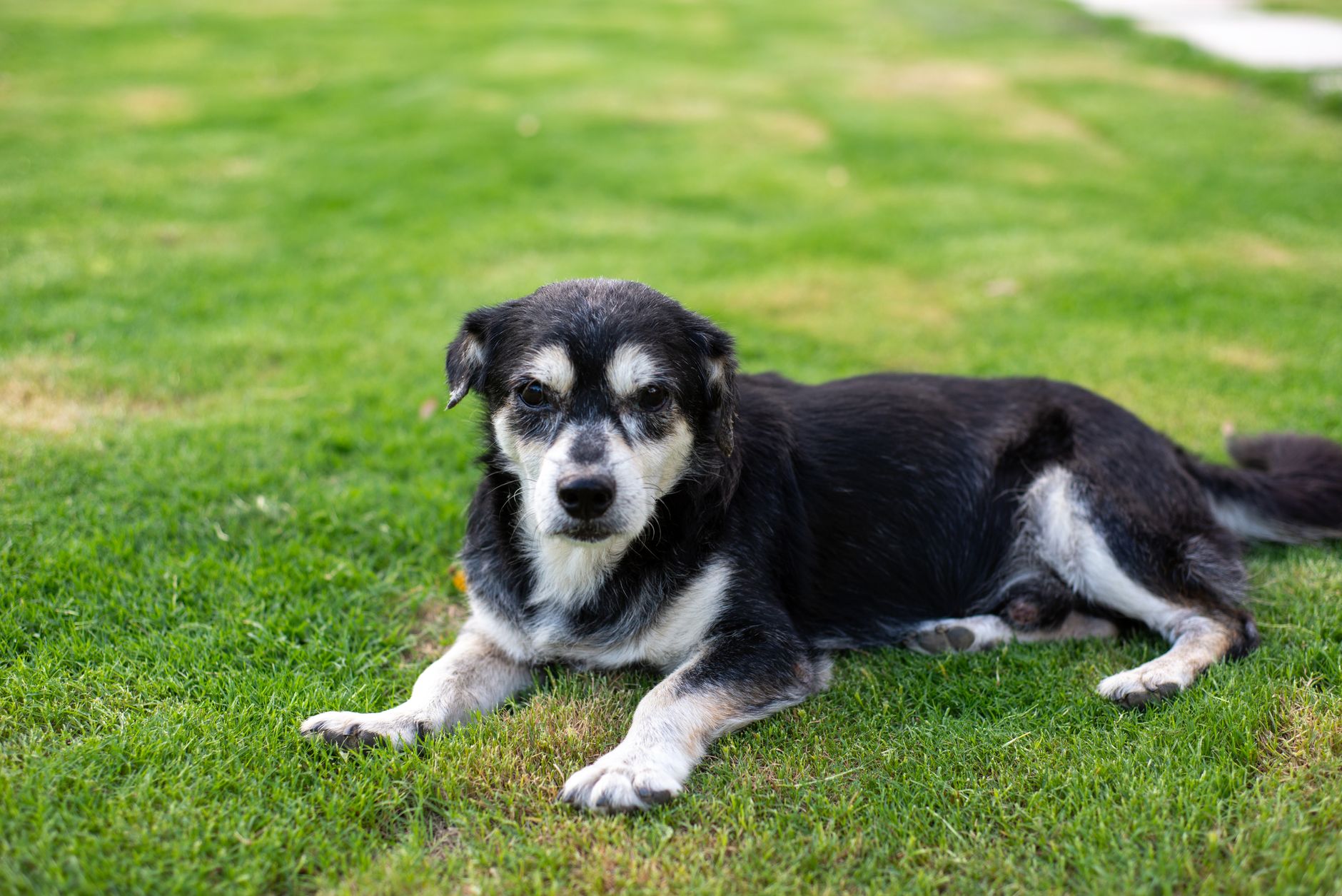
This is the moment to get ahead of it, and getting ahead of it is mostly unglamorous and mostly works. Keep your dog lean, first and always. A few extra pounds on an aging dog is not a cosmetic issue, it is direct load on joints that are already working harder. Leanness is the single most powerful thing you control. Talk to your vet about a joint supplement with omega fatty acids well before you think you need one. Add traction where the floors are slick, because a hard landing on tile is exactly the kind of thing an older dog's body does not forgive as easily. Warm bedding with real support helps more than you would guess.
None of that is dramatic. That is the point. The undramatic stuff, done early, is what keeps the dramatic stuff away.
The Mind Ages Too, and Nobody Warns You
The physical changes get all the attention. The one that catches people off guard is the mental side, because it is quieter and it is easy to mistake for the dog just being difficult.
Older dogs can develop something a lot like dementia. Vets call it canine cognitive dysfunction, and it is more common than most owners realize. It does not look like a dog forgetting a trick. It looks like a dog standing in the wrong corner of a room they have lived in for a decade. Staring at a wall. Getting stuck behind furniture they have walked past a thousand times. Pacing at night when they used to sleep straight through. Asking to go out, coming back in, and asking again ten minutes later like the first trip never happened. A house trained dog starting to have accidents for no reason you can find.
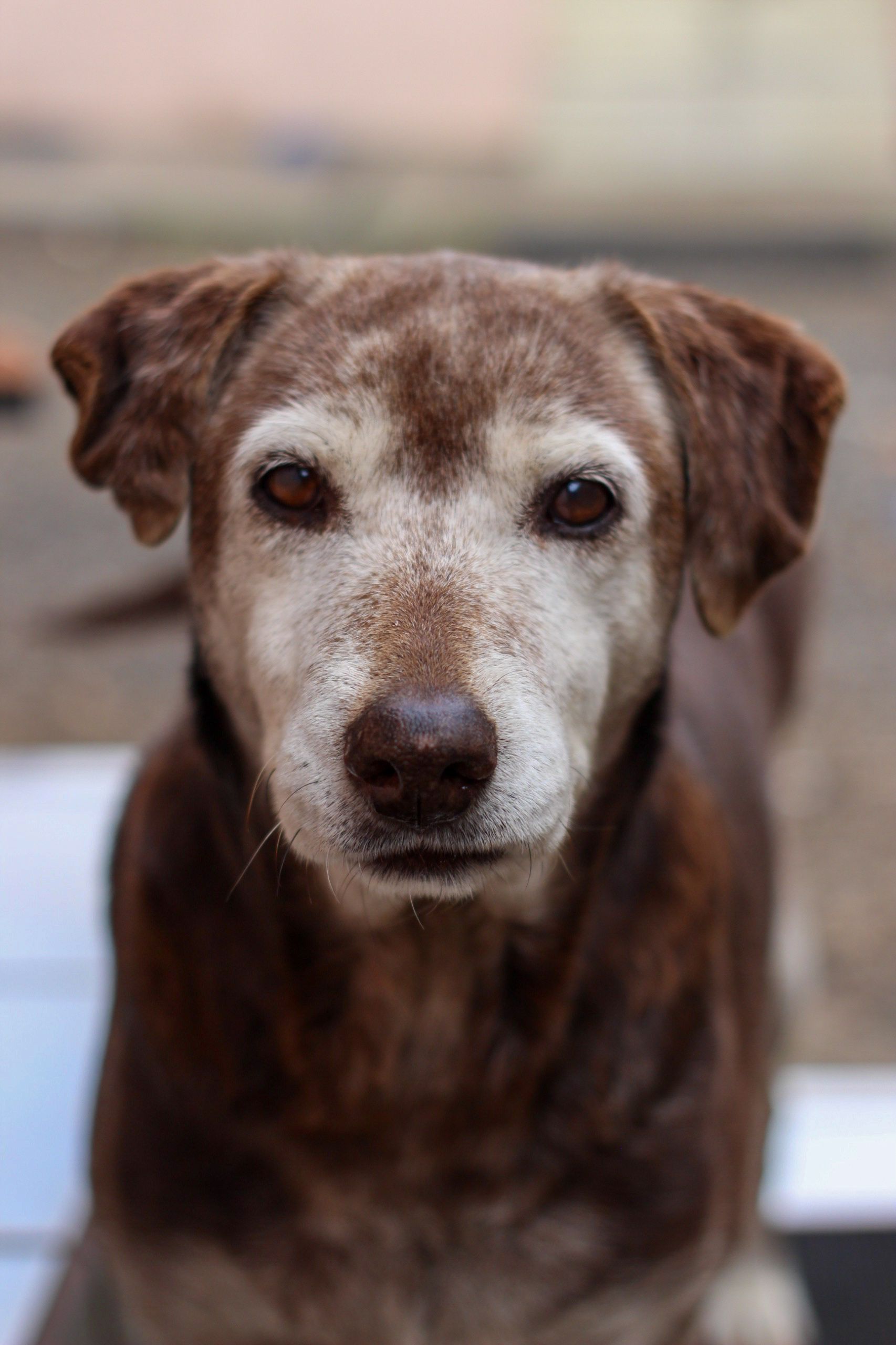
The reason this one matters so much is that it is the change most likely to get read as your dog being stubborn or spiteful, when it is neither. A dog who seems to be ignoring you at eleven may genuinely not be processing the way they used to. That reframe changes how you respond to all of it. You stop correcting and start supporting.
And here is the part that should give you some hope. Caught early, cognitive decline is one of the changes you can push back on. Keep the mind working. Food puzzles, new short walks with new smells, gentle training of things they already know, any small daily problem for the brain to chew on. There are diets and supplements with real evidence behind them, and there are medications your vet can talk you through if it goes further. The dogs who do best are the ones whose people noticed early and kept the engine running instead of letting it idle.
How to Change the Exercise Without Taking It Away
The wrong response to all of this is to decide your senior dog is fragile and put them on the couch for good. That is how a stiff dog becomes a weak dog. Muscle is what holds an aging joint together. A dog who stops moving loses the muscle, and then the joint has nothing supporting it, and the whole thing accelerates. Movement is medicine here. You are not cutting it out. You are reshaping it.
The shift is away from the big single output and toward steadier, gentler, more frequent. Instead of one long hard run, two or three shorter walks. Trade some of the high impact for low impact. Swimming is close to perfect for an older dog, all of the work and almost none of the pounding. Sniffing walks, where you let the dog set the pace and read the whole yard like a newspaper, do more for a senior body and brain than you would think for how easy they look.
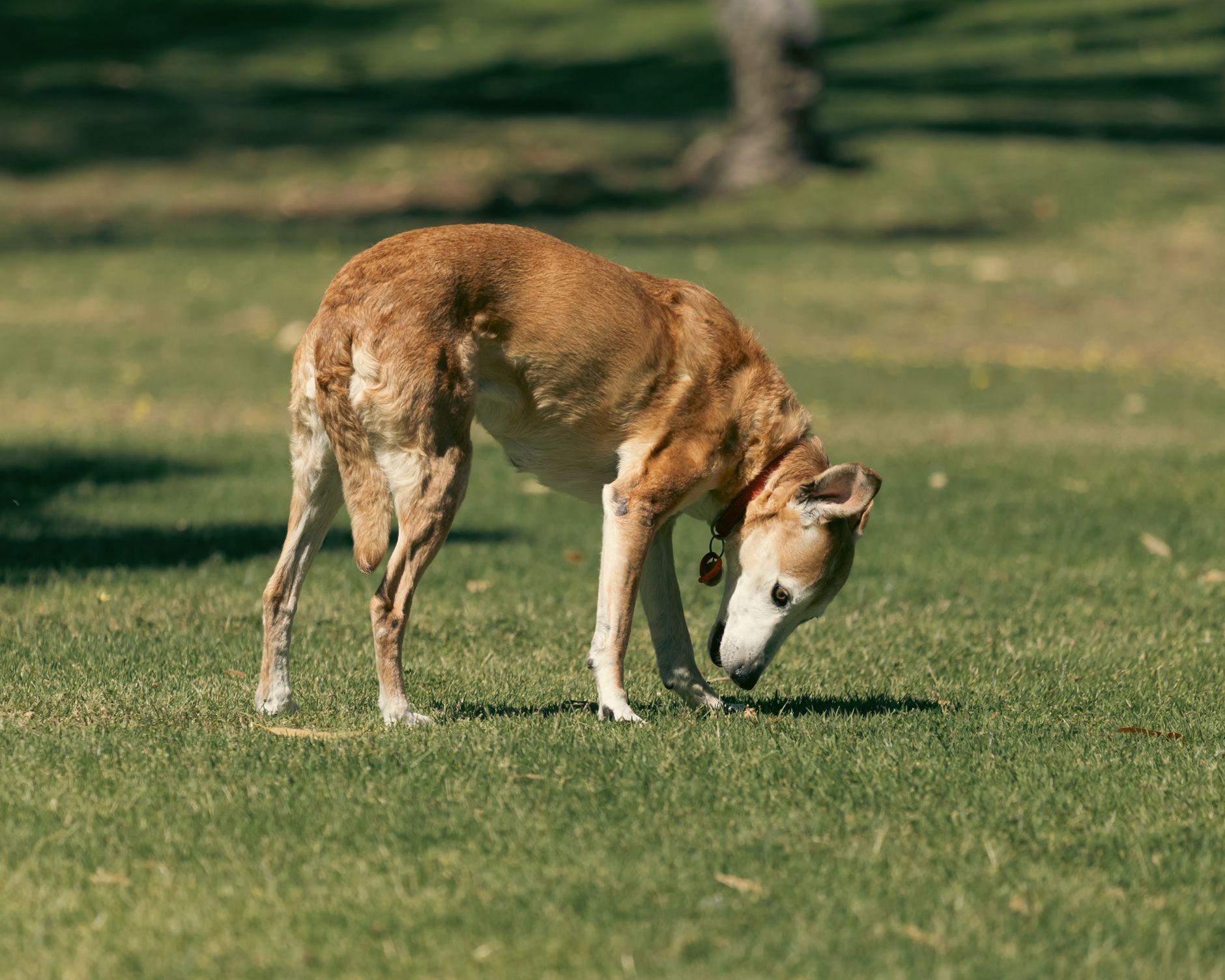
A few things worth building in. Warm your dog up a little before real activity instead of going from a dead sleep to a sprint, the same way you would not. Watch the ground, because slick floors and hard landings are where older dogs get hurt. And learn the difference between good tired and too much. A dog who is pleasantly worn out sleeps well and bounces back the next morning. A dog who is stiff and sore and slow the day after did too much, and that is your cue to dial it back, not to push through.
The goal was never to make Boone act like a two year old again. It was to keep him doing the things he loved for as long as his body would let him, at a size and a speed and a length he could actually handle.
The Vet Visits That Actually Matter Now
Once a dog is a senior, the once a year checkup is not enough. This is the single most concrete change to make, and it is the one people skip because the dog seems fine.
That is exactly the problem. The whole reason to go more often is to catch the things that do not show yet. The move most senior vets recommend is twice a year instead of once, and the reason is simple math. A year is a long time in an older dog's life. A lot can start and progress in the gap between annual visits. Twice a year cuts that blind spot in half.
The visit itself should look different too. Ask for senior bloodwork, a fuller panel that checks kidney and liver values and thyroid, because those are the quiet organ changes that show up in numbers long before they show up in behavior. Do not let the teeth slide, since dental disease is common, painful, and connected to problems well beyond the mouth. Talk honestly about weight at every single visit, because it is the one lever with the biggest effect on how the rest of the aging goes. And say the small things out loud, even the ones that feel like nothing. The pause on the stairs. The pacing at night. The water bowl emptying faster than it used to. You are the one who sees the daily footage. Your vet only gets the snapshot you bring them.
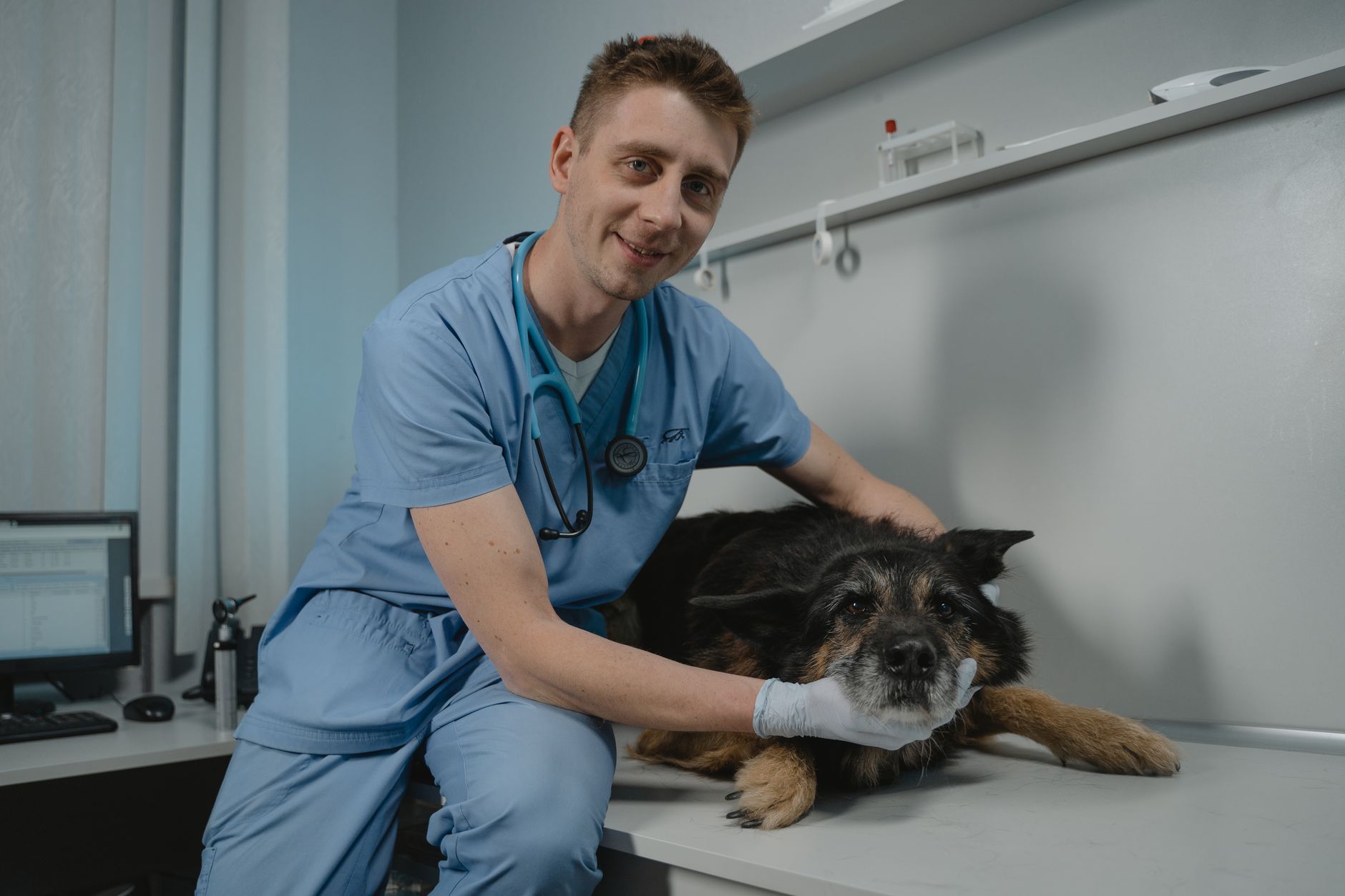
That is the real work of a senior dog, and it is not heavy. It is a little more attention, a little more often, aimed at the things that hide.
Boone made it to thirteen. The last few years were slower, and the walks got shorter, and there was a ramp into the car by the end. He was comfortable almost the whole way, and I am convinced that is because we started reading him at seven instead of waiting for something to break. That staircase pause was not the beginning of the end. It was an invitation to start paying closer attention, and we took it.
If your dog is coming up on their senior years, you do not have to brace for it. You just have to watch a little closer and adjust a little sooner. That is the whole thing.
Is your dog getting up there in years? Tell me what you are noticing in the comments, the small stuff, the changes you are not sure count. Those are usually the ones worth talking about. And if there is a specific part of senior care you want me to go deeper on, say so and I will make it the next one.