

Back to School Hits Your Dog Too. Here's What to Do About It.
Aug 26, 2026
The school buses came back to my street last week.
The first one rolls through a little after seven. By seven thirty the whole block has emptied out. Cars gone, garage doors down, one recycling bin nobody brought in. Quiet in a way it has not been since May.
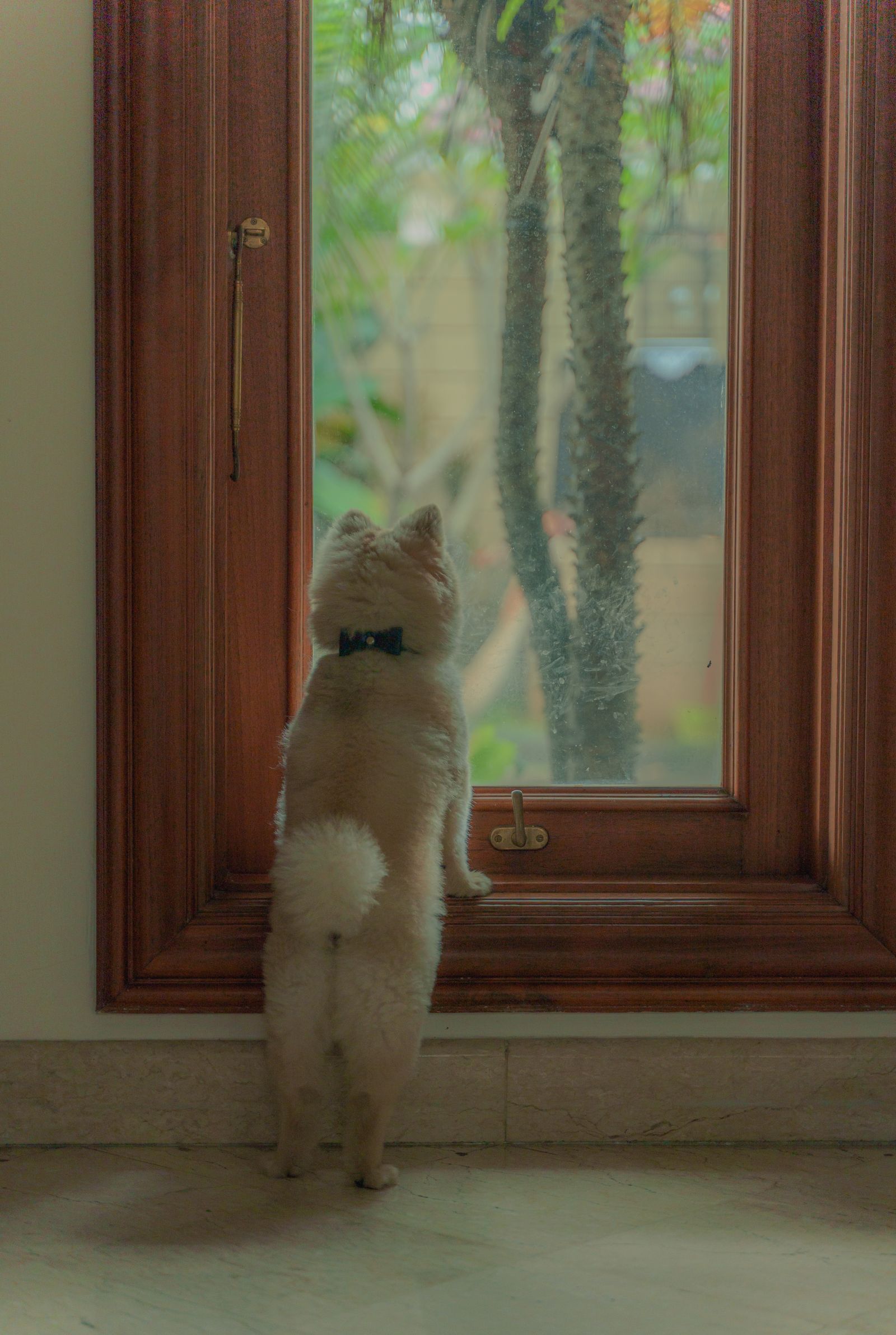
There's a dog across the street who spends that first week in the front window. Same spot every morning, chest against the glass, watching the driveway like the whole thing is a mistake somebody is going to come back and fix. He isn't barking. He isn't tearing anything up. He's just standing there waiting for a house that was full ten weeks straight to be full again.
Nothing bad happened to that dog. His food didn't change. Nobody was unkind to him. What changed is that for an entire summer he lived in a house with people in it, and then one Monday he didn't.
Dogs do not process that as a schedule change. They process it as their people leaving without them, with no information about when it ends.
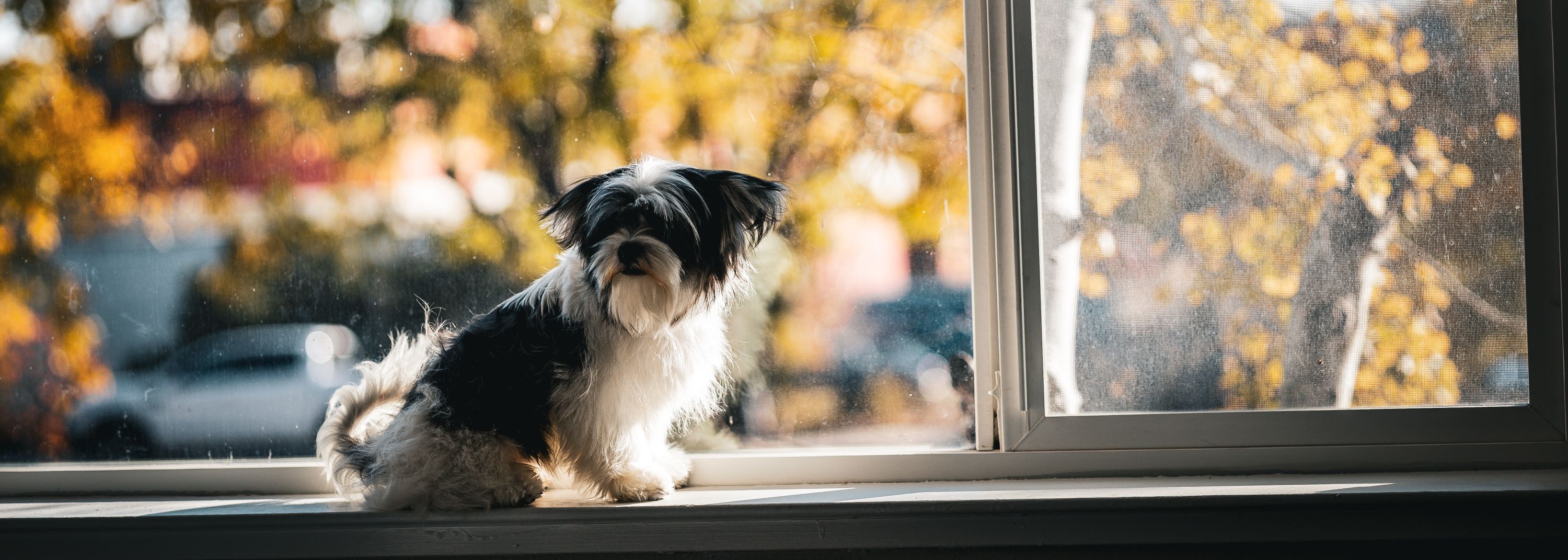
If you are a week or two into the school year and something about your dog feels off, you are not imagining it. This is the most predictable behavior season of the entire year, and almost nobody sees it coming because it doesn't look like a problem. It looks like your dog being a little weird in August.
Summer Was a Different Job
Think about what your dog's summer actually looked like.
Somebody was home most of the day. There was noise, movement, a screen door opening every twenty minutes. Snacks got dropped. Somebody was always coming through the kitchen. The dog got walked at odd hours by whoever was bored. If they wanted company, company was ten feet away in every direction.
Then one Monday morning the house went from twelve hours of people to eight hours of nobody. Not gradually. All at once.
That abruptness is the part that gets dogs, not the hours. A dog who has been alone from eight to five all year long handles eight to five fine, because it's the pattern and the pattern is safe. What is hard is going from constant company to an empty house overnight, with nothing in between to explain it.
And here's the piece people miss. It isn't only the quiet. Your dog also lost their whole day's structure. The walks, the meals, the noise, the traffic through the room they nap in, all of it was on a summer clock. In one morning the clock got thrown out and no new one showed up to replace it.
What It Looks Like When It Is Landing Hard
The signs are quiet and easy to file under nothing. Any one of them alone means very little. Two or three together in the last two weeks means your dog is telling you something.
They follow you room to room. A dog who used to nap through your whole morning is suddenly on your heels for every trip to the laundry.
They get restless before you leave, not after. Watch the twenty minutes before the door. Pacing, whining, planting themselves in the entryway. They have learned your cues. The shoes, the keys, the coffee cup going in the sink.
Something got chewed that has not been chewed in years. Usually a shoe, a remote, a chair leg, a corner of the rug near the door.
A neighbor mentions the barking. Or the camera does. This is the one you almost never catch yourself.
A house trained dog is having accidents. No medical change, no schedule change you can point at, and suddenly there is a spot by the back door.
Breakfast sits in the bowl until four in the afternoon. A dog who eats fine when you're home and won't touch food while you're gone is a dog whose stomach is in a knot.
The greeting got bigger. You come home to a level of celebration that would be appropriate if you had been at sea.
The afternoon gets prickly. Snapping, hiding, or full body clinging when the kids come through the door at three thirty.
Boredom and Panic Are Not the Same Problem
This matters more than anything else in this post, because the fix is completely different depending on which one you have.
Boredom makes a mess. It's spread across the day. The trash gets tipped at some point. The couch cushion gets excavated. Nothing is concentrated, nothing is frantic, and when you come home the dog is pleased with themselves rather than wrecked.
Panic makes damage, and it makes it fast. Real separation anxiety starts within minutes of the door closing and peaks in the first half hour. It lives at the exits. Scratched door frames, chewed window sills, bent blinds, torn carpet right at the threshold. You may find broken nails, raw paws, or a wet chest from drooling. Some dogs try to get out and hurt themselves doing it.
There is one tell that sorts this faster than anything else. A panicked dog will not eat. Leave a frozen stuffed toy or a food puzzle when you go. If the dog works on it, you are dealing with boredom and loneliness, and everything below will help a lot. If the dog will not touch food they would fight you for at any other moment, that is panic, and no amount of enrichment is going to touch it.
Get a camera on it. Twenty minutes of footage answers more than a month of guessing, and you can get a workable one for less than the cost of the chair leg. If what you see on that footage is panic, this becomes a conversation with your vet and, if you can, a certified behavior consultant. That is a real condition with real treatment, and it is not a training problem you should be trying to muscle through alone.
For everybody else, and that's most of you, this is a rhythm problem. Rhythm problems are fixable.
Rebuild the Rhythm, Not the Hours
You are not going to get your dog eight hours of company back. That was never the fix anyway. What your dog lost was predictability, so predictability is what you rebuild.
Walk before you leave, not only when you get home. This is the single highest return change on the list. A dog who has emptied out and used their nose before the house goes quiet settles into the day completely differently than a dog who watched everyone leave from the couch.
Make it a sniffing walk, not a marching walk. Twenty slow minutes where the dog reads every fence post does more than forty brisk ones where you drag them along. Scent work is genuinely tiring in a way distance is not. If mornings are tight, twenty minutes of nose beats nothing, and it beats a rushed thirty.
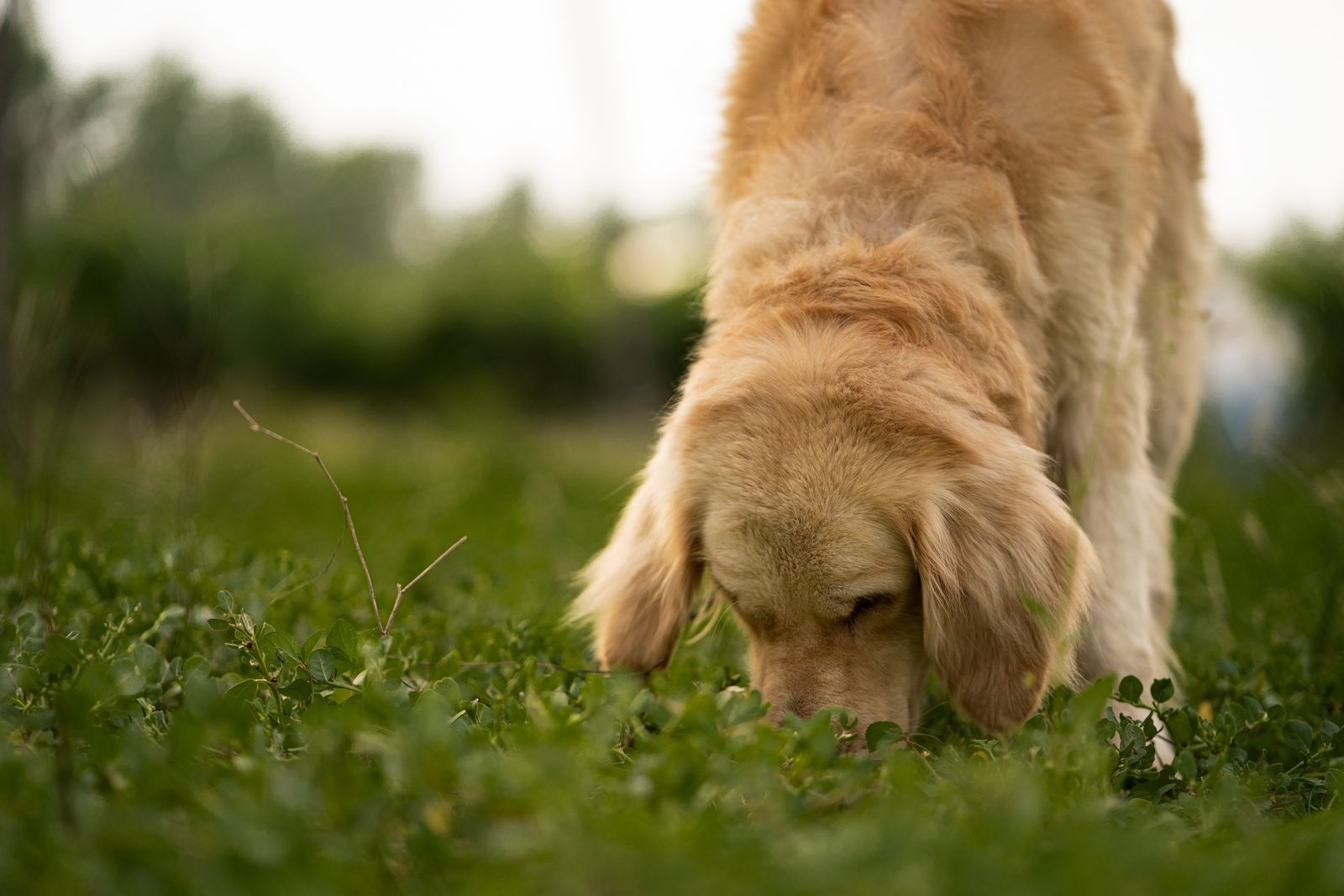
Feed breakfast out of something they have to work at. Snuffle mat, food puzzle, a frozen stuffed toy, or just scatter the kibble in the grass. You are aiming this at the first thirty minutes after you leave, because that is when the stress peaks. Give them a job right at the moment they would otherwise be standing at the window.
Make the goodbye boring. I know. The long emotional goodbye is for you, not for the dog, and it makes the contrast between you here and you gone louder. Pet them, say a normal thing, leave. Same for coming back. Walk in, put your stuff down, and greet them a minute later when the feet are on the floor.
Break up your departure cues. Pick up your keys and then sit down. Put your shoes on and make coffee. Grab the bag and go nowhere. Do it a few times a day for a week. You are teaching your dog that the shoes do not automatically mean eight hours of nothing.
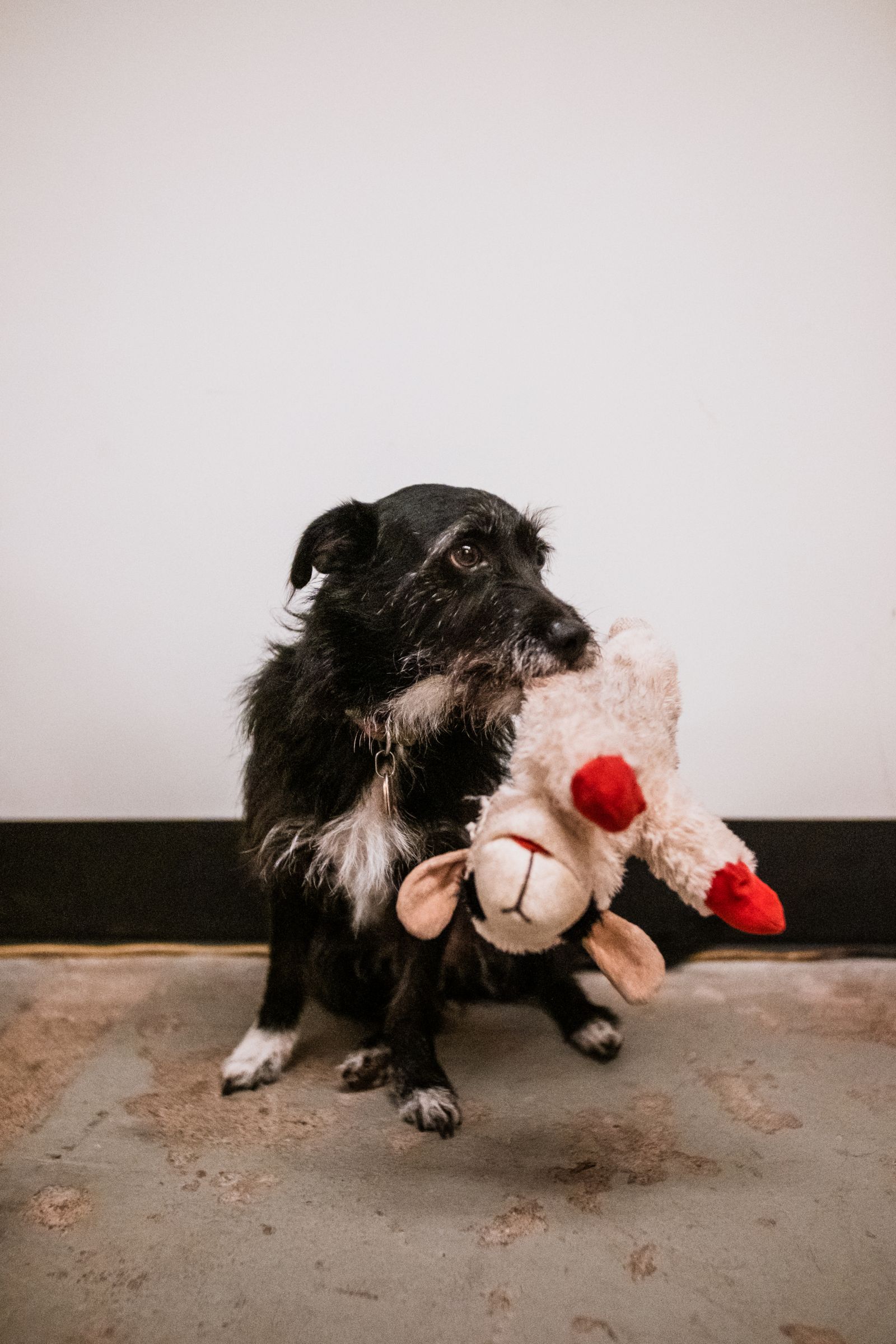
Give them a spot and keep it the same. Same bed, same room, same blanket, some sound on. A radio or a fan does more than you would expect. Dogs are pattern animals and the pattern is the medicine.
Buy back the middle of the day if you can. A walker two days a week. A neighbor's kid at lunch. Day care one day. You coming home for fifteen minutes. Cutting an eight hour block into two four hour blocks changes the whole shape of your dog's day, and it costs less than most people assume.
Practice absences on the weekend. If the only time your dog is ever alone is a school day, alone stays loaded. Leave for twenty minutes on a Saturday. Come back. Do it again. Boring, repeated, uneventful departures are how alone stops meaning abandoned.
The Three O'Clock Problem
Everybody plans for the morning. Almost nobody plans for the afternoon, and the afternoon is where two things go wrong.
The first is the door. When school starts, the number of times your front door opens between three and six goes up dramatically. Kids, friends, backpacks, somebody running back out to the car. That is the exact set of conditions where a dog who has been alone and wound up all day slips out behind somebody's ankles. Late August is a busy season for lost dogs and this is a big reason why. Check that the tags on the collar are current and readable, and if your dog wears a tracker, get in the habit of charging it on Sunday nights. Five minutes of housekeeping against a genuinely bad afternoon.
The second is the crash. The house explodes at three thirty, the dog gets wound all the way up, and then within twenty minutes everyone has scattered into homework and screens and the dog is left vibrating with nowhere to put it. That is where the snapping and the pestering and the chewing come from. It isn't a bad dog. It's a dog who got revved and then abandoned mid sentence.
Two things fix most of it.
Give the dog somewhere to go. A bed in a back room, a crate with the door open, anywhere that is not the front hall during the loudest twenty minutes of the day. Older dogs especially need an exit from the chaos, and they will take it if you give them one.
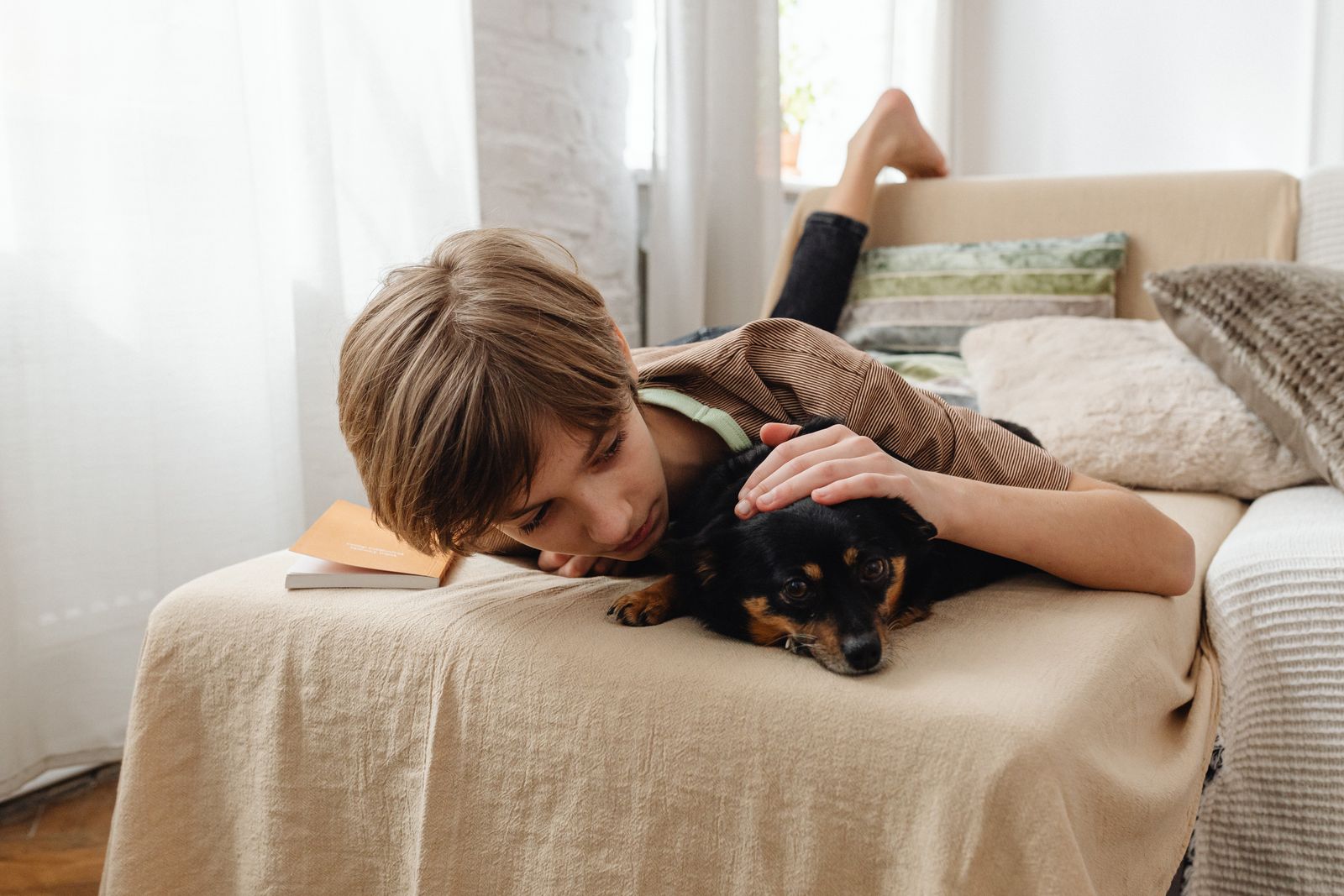
Give a kid a job. Ten minutes, one kid, one dog. Walk around the block. Five minutes of sit and down in the kitchen with a handful of treats. Feeding dinner and being the one in charge of it. It burns off the dog and it puts the kid somewhere that isn't a screen. It is the rare thing that is genuinely good for both of them, and it is the part of this post people write back to me about.
Give It Three Weeks
Here is the thing to hold on to. Almost all of this settles.
Dogs run on patterns, and a new pattern takes repetitions before it feels safe. Most dogs land in two to three weeks if what you are doing is consistent. Consistency beats generosity every time. Twenty minutes every single morning does more for your dog than an hour on Saturday and nothing on Tuesday.
While you are in it, do not stack changes. This is not the two weeks to switch food, move the crate, board them for a weekend, or start a new supplement. Let the one big change be the only big change. If something goes sideways you want to know what caused it.
And know what is not on the list. Call your vet if your dog goes more than a day without eating, if they hurt themselves trying to get out, if house soiling does not resolve, or if any of it is worse in week three than it was in week one. Sudden changes in an older dog deserve a call regardless, because what looks like sulking about the school year is sometimes pain or a thyroid the dog has no way to tell you about.
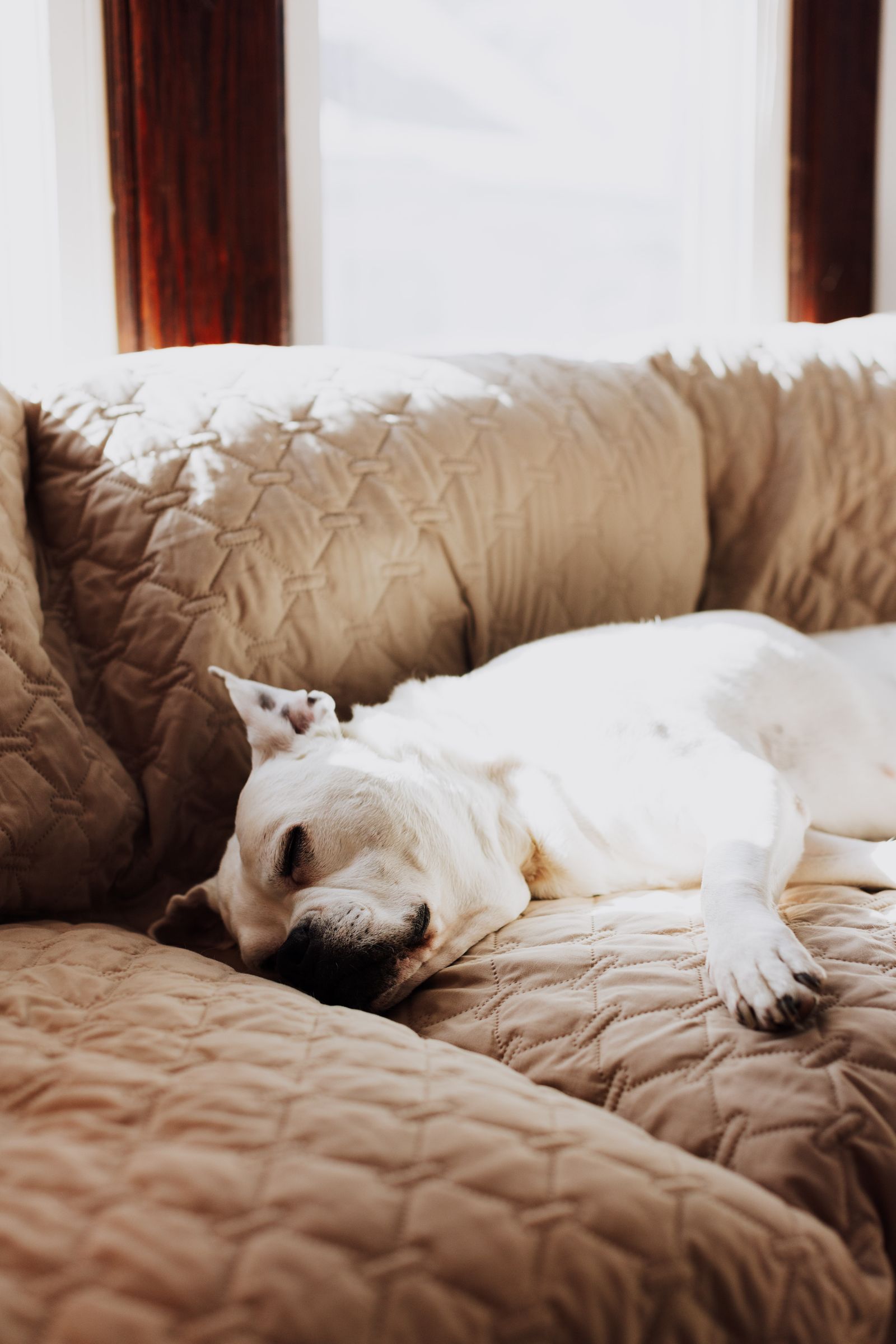
The dog across the street is not in the window anymore. Two weeks in, he watches them go, and then he goes back to bed. Nothing dramatic fixed him. His people just gave him a new morning he could count on, and eventually he counted on it.
That is really all this is. Your dog is not being difficult. Your dog lost the shape of their day and is waiting for you to hand them a new one.
Every purchase at LUCKY+DOG supports rescue groups and no kill shelters. The same organizations doing the daily work of getting dogs out of overcrowded facilities and into houses that go quiet at seven thirty in the morning and full again at three. That's the whole reason this brand exists.
So how is your dog handling it this year? Are you seeing the window stare, the chewing, the three thirty crash, or did yours sail right through it? Tell me in the comments. I read all of them, and if enough of you are dealing with the same thing I'll make it the next post.