

Road Tripping With Your Dog: Everything You Forgot to Think About
Jun 13, 2026
You planned the hotel. You mapped the gas stops. You packed snacks, a playlist, and a bag for every scenario.
And then your dog bounded into the back seat and off you went.
Most people treat the dog like a carry-on. She's coming, she'll figure it out. And honestly, most of the time she does. But there's a gap between a dog who survives a road trip and a dog who actually travels well — and it's usually made up of a handful of things her owner never thought to think about.
Here's what those things are.
Before You Leave
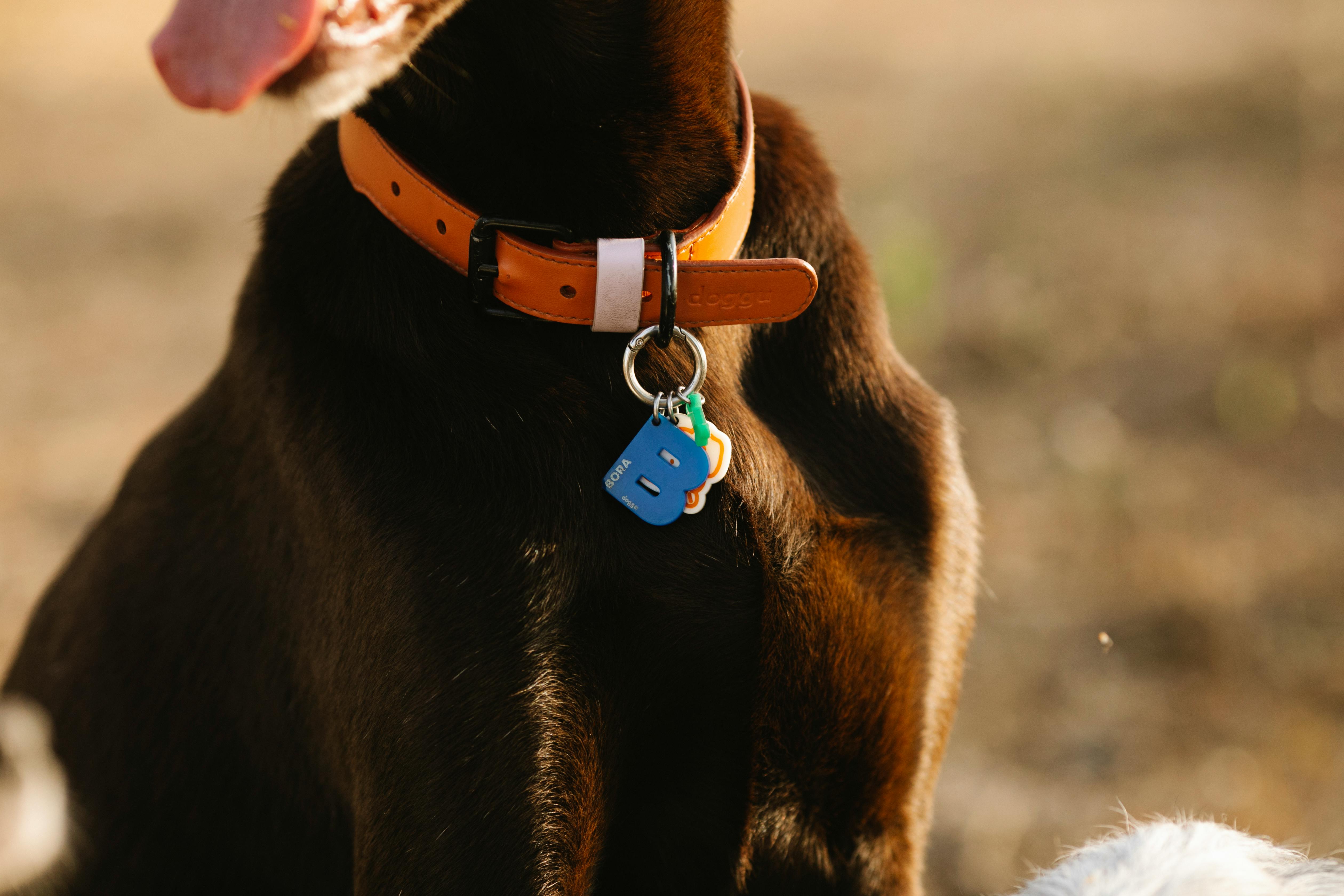
Update her ID tag — and check the fit of her collar.
This sounds obvious, but it gets skipped constantly. If your dog bolts at a rest stop three states away, the name and number on her tag is the fastest path back to you. Make sure the number is current. Make sure the collar isn't so worn that the tag hardware could fail.
While you're at it, double-check the fit. A collar that's fine for the backyard can shift during a long car ride. You want two fingers of room, no more.
Pack her bag like you'd pack yours.
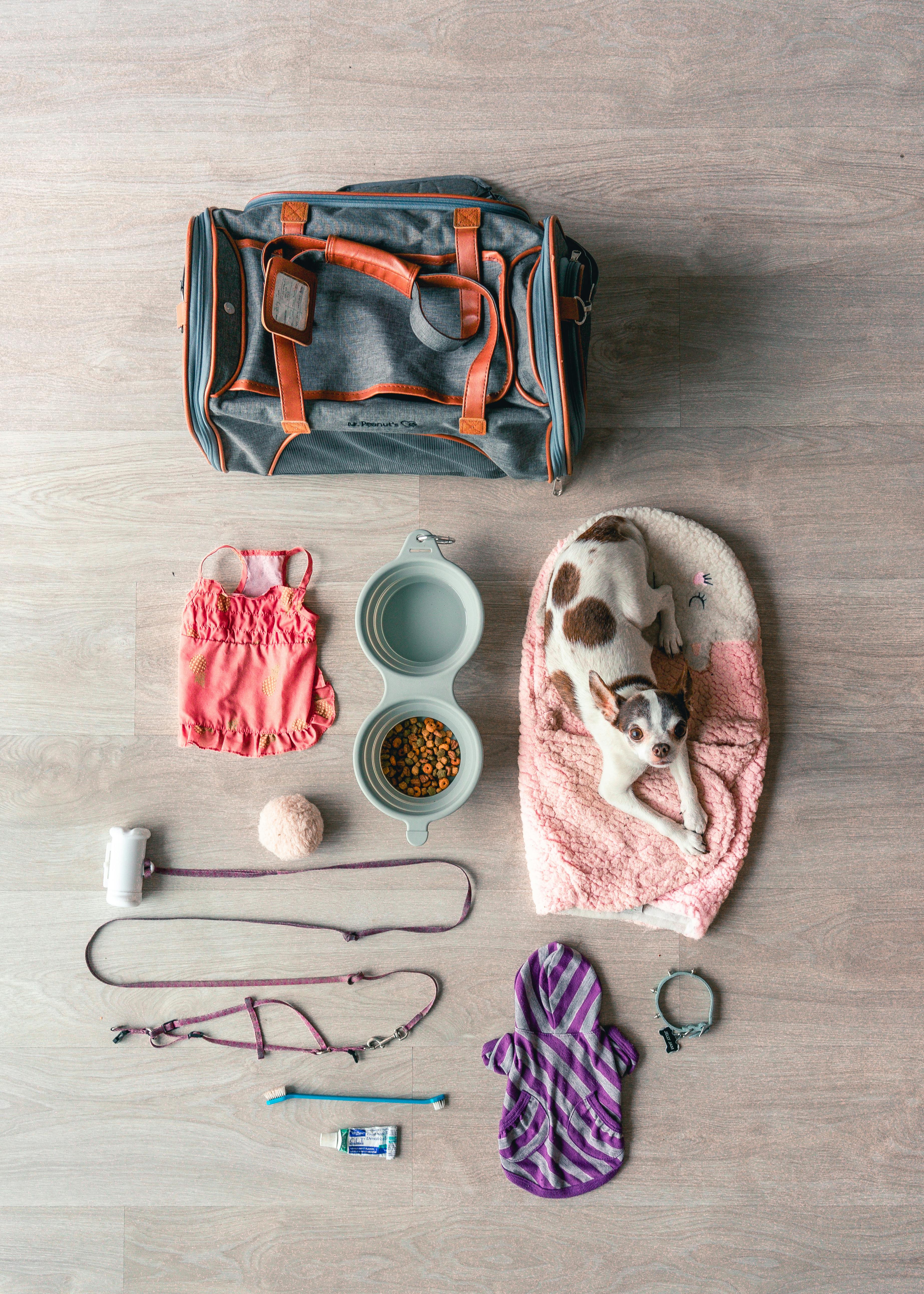
Most people grab the leash and call it done. Here's what actually belongs in a road trip bag for your dog:
Food & water - Her food in a sealed container (enough for the full trip plus two extra days) - Her own water bowl — rest stops won't have one - A jug of water from home or a sealed bottle — new water sources can cause GI upset in sensitive dogs
Comfort - Her blanket or a shirt that smells like home
Health & safety - Any medications she takes, plus a written copy of her vet's contact info - A photo of her on your phone in case you need to make a lost dog post fast (of course you have a bazillion photos, so that shouldn't be a problem)
If you're crossing state lines or staying at a hotel, many require proof of rabies vaccination. A screenshot of her vaccine records saved to your phone handles this instantly.
Don't feed a full meal right before you leave.
Motion sickness is more common in dogs than most owners realize. And even dogs who don't technically get sick will sometimes vomit from the combination of a full stomach, a moving vehicle, and anxiety.
Feed her a small meal two to three hours before departure, not thirty minutes before you pull out of the driveway. If she's a repeat offender for car sickness, ask your vet about anti-nausea options before the trip — there are good ones.
On the Road
Your dog should be restrained. Full stop.
An unrestrained dog in a vehicle is a projectile in a crash. At 30 mph, a 60-pound dog becomes more than 2,700 pounds of force on impact. That's a fatal outcome for the dog and potentially for anyone in the car.
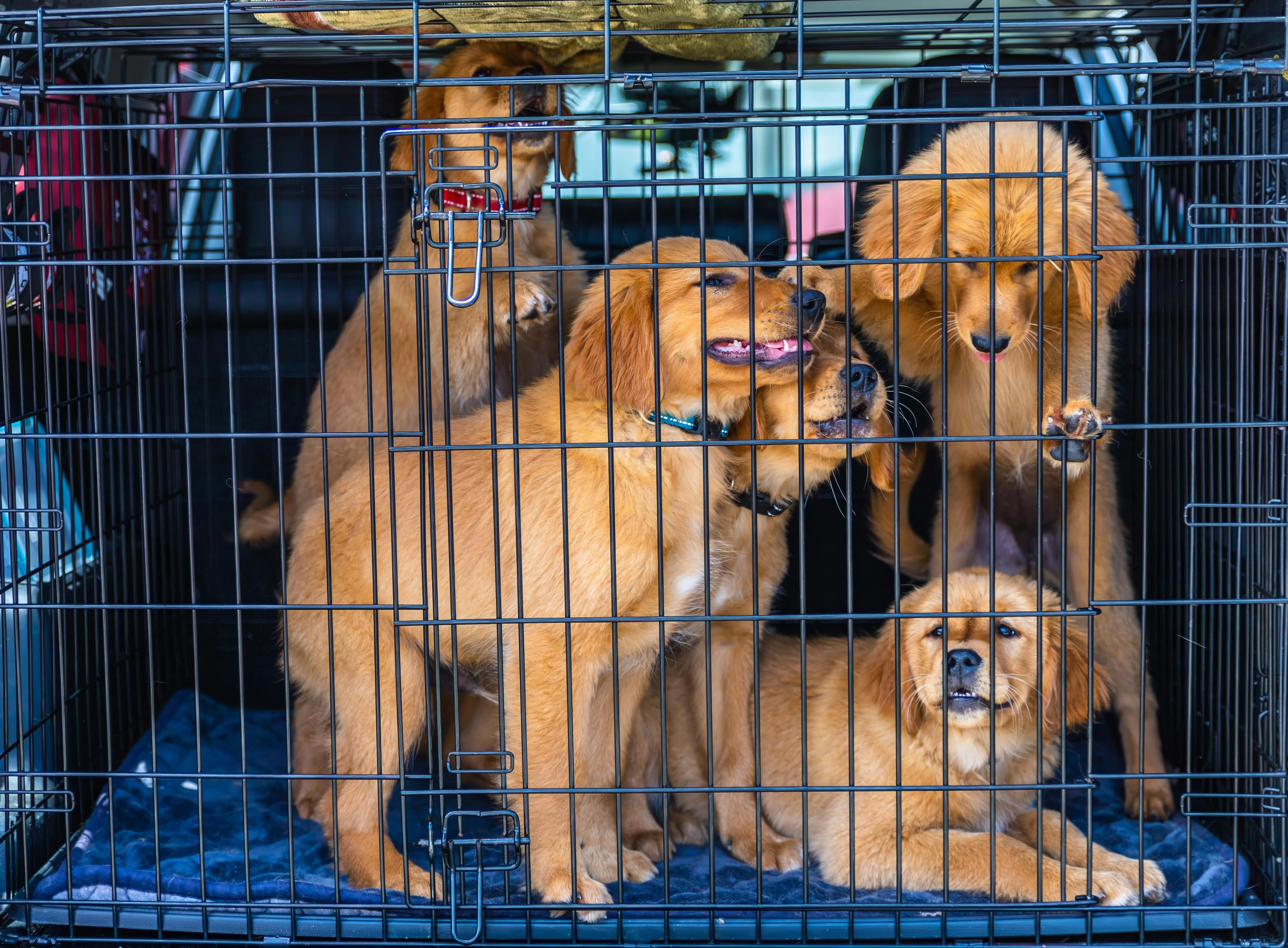
Beyond crashes: an unrestrained dog moving around the car is a distraction. Studies put it right alongside texting. A crate secured to the cargo area or a crash-tested travel harness clipped into a seatbelt buckle are the two best options. Not every harness is crash-tested — look for ones that specifically say they are.
Where she's sitting matters more than you think.
Your AC is cooling the cabin air. It is not necessarily cooling the spot where your dog is sitting. Glass amplifies heat. A dog positioned in a direct sun patch can overheat even in an air-conditioned car, especially on a long summer drive.
If she's in a crate, cover the top and sides with a blanket or towel to block direct sunlight — think of it like shade cloth. Check on her positioning at rest stops. If she's panting hard and the spot she's in is hot to the touch, adjust the cover or move her.
Panting doesn't always mean she's hot.
This one catches a lot of people off guard. Dogs pant to regulate temperature, yes. But they also pant when they're anxious, overstimulated, or simply uncertain about what's happening. A dog who's never been in a car for more than twenty minutes to the vet has no frame of reference for a five-hour drive.
Anxious panting tends to be shallow, relentless, and paired with other signals — shifting positions, yawning repeatedly, drooling more than usual, not being able to settle. If the car temperature is fine and she's doing all of that, she's stressed, not hot. The fix is not more AC. It's more short trips in the weeks before a long one, so the car stops feeling like a one-way trip to somewhere scary.
At Rest Stops
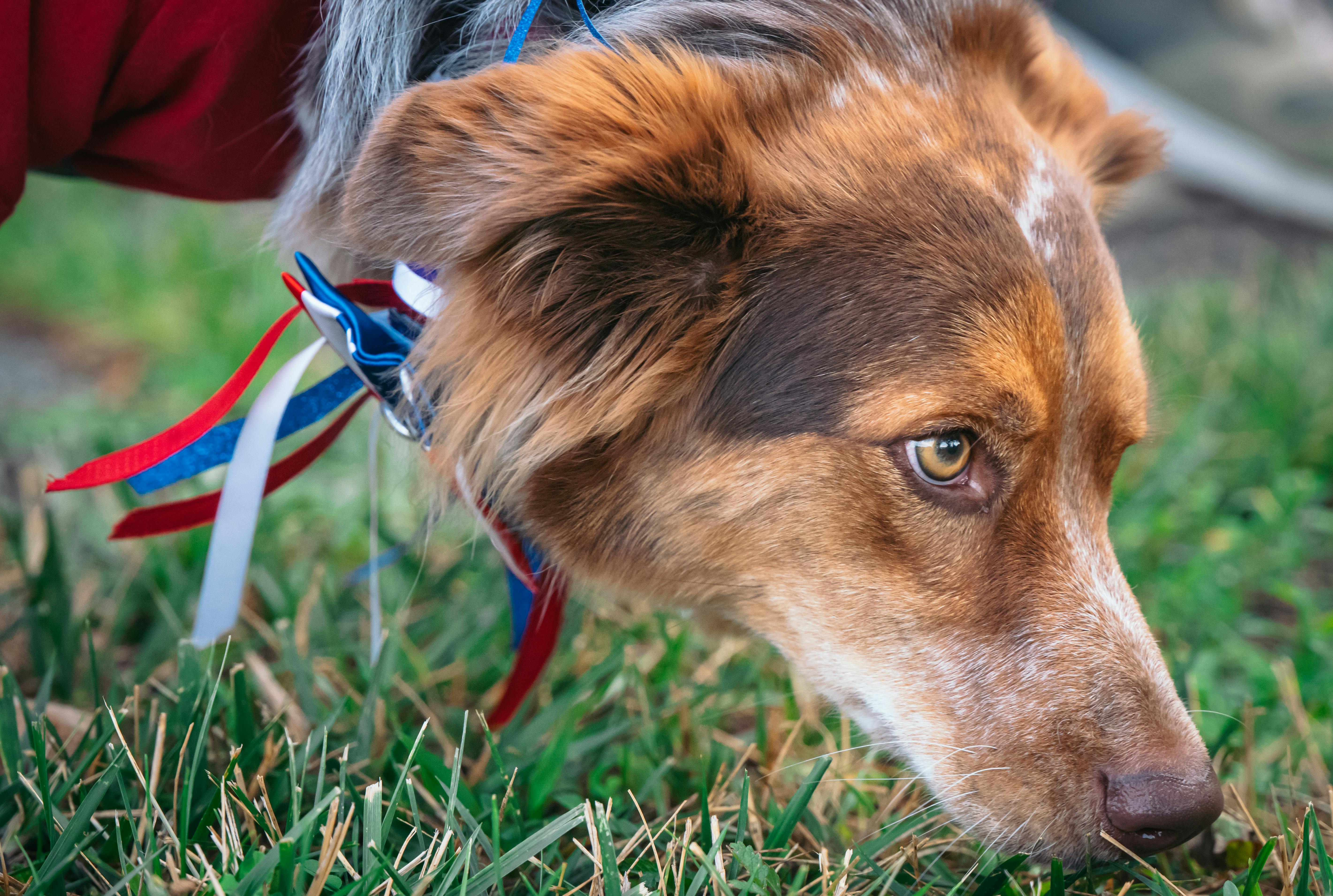
Give her five extra minutes to sniff.
To you, it's a bathroom break. To her, it's the most interesting ten minutes of the last two hours. Every rest area smells like hundreds of dogs from dozens of states. It's information. It's decompression. It resets something in her nervous system that sitting in the back seat for ninety minutes cannot.
Let her work through it. You'll notice she settles faster and rests better on the next leg of the drive. Sniff time is not wasted time.
Stop at a maximum of every three hours, and offer water every stop.
Most dogs can hold it for four to six hours, but that's not the point. Long car rides are mentally and physically exhausting. Regular stops break up the monotony, give her legs a chance to move, and prevent the kind of restless, anxious energy that builds when a dog has been still for too long.
And offer water at every stop, not just when she looks thirsty. Dogs dehydrate faster in the car because of the panting. By the time she shows obvious signs, she's already behind.
Have the leash on and ready before she ever gets near the door.
Rest stops are loud, chaotic, and full of strangers, other dogs, and diesel trucks. Your dog has been cooped up and her stimulation levels are high the moment she smells fresh air. That combination is exactly the scenario where dogs bolt.
Before you even touch the door handle, leash in hand and ready to clip. If she's in a crate, open the crate door just enough to clip the leash, then open the car door. Make it a reflex, not a decision you make each time.
Folks, this is exactly why the Fi Collar Band exists. It's the collar your dog already wears — built to hold a Fi GPS tracker right in the band, no add-ons, no extra hardware. On a normal day at home it's just her collar. On a road trip, it's a live GPS signal you can pull up the moment something goes wrong. That's the layer of security that makes opening a car door at a rest stop feel a lot less like a gamble.
At the Destination
Let her decompress before the chaos starts.
You arrive, you're excited, there are people to see and a new place to explore. Your dog is flooded. New smells, new sounds, new everything — all at once.
Give her ten minutes on leash to just exist in the new space before anyone meets her. Let her sniff the perimeter. Let her decide the place is safe. Then introduce the people, the other dogs, the new yard.
A dog who arrives overwhelmed and gets immediately thrown into social chaos takes days longer to settle than one who gets a ten-minute buffer. It's the same decompression logic as bringing home a rescue. She needs a minute. Give her one.
Keep her on her regular food.
It is deeply tempting to grab whatever pet store food is closest to the vacation rental. Don't. A sudden food switch combined with travel stress and new water is a reliable recipe for GI upset. And cleaning up diarrhea in someone else's rental is nobody's idea of a vacation.
Pack enough of her food for the full trip plus two extra days. If you run short, find the same brand before you switch. Her stomach will thank you.
The Short Version
Most of what goes wrong on a road trip with a dog is preventable. A little preparation before you leave, a few habits built into the drive, and the willingness to make the trip a little longer so she can actually enjoy it — that's usually all it takes.
She doesn't know where you're going. She just knows she's with you. Make it worth her trust.
Every LUCKY+DOG purchase supports rescue organizations and no-kill shelters working to get more dogs into the kind of homes where road trips are a regular thing. That's what this brand is built for.
Questions about road-tripping with your dog? Drop them in the comments or tag us on Instagram. We want to hear where you're taking them this summer.