

The Real Truth About Dog Parks (From Someone Who's Been to a Lot of Them)
Jul 14, 2026
I've been watching the same thing happen at dog parks for years.
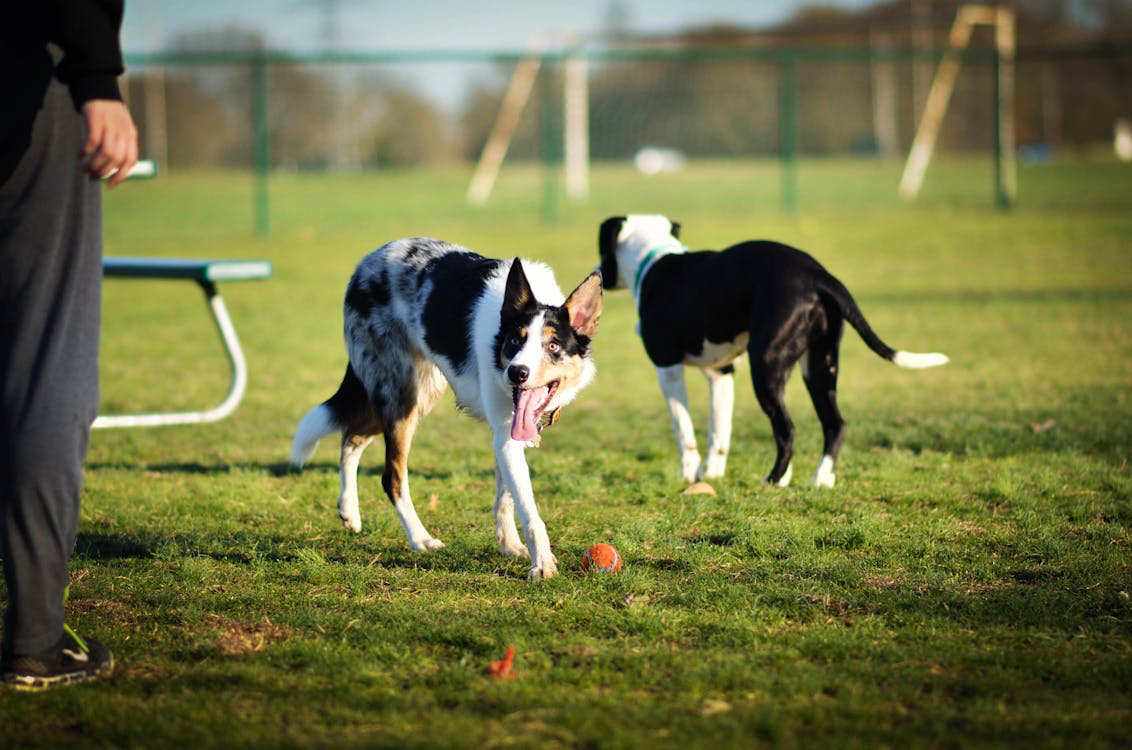
A dog walks through the gate. The owner unclips the leash and immediately looks down at their phone. The dog bolts into the center of a group it's never met. Someone's Border Collie starts circling. Someone's big Lab charges in with the full-body chaos that Labs specialize in. The gate opens again five minutes later and the whole reset button gets pressed.
Nobody does anything wrong, exactly. And yet somehow it doesn't feel right either.
That's dog parks in a sentence: nobody does anything wrong, and yet.
The Idea vs. The Reality
The idea of a dog park is perfect. Open the gate, dogs find each other, they run, they play, they wear themselves out completely. You drink your coffee in peace. Your dog sleeps for four hours.
Sometimes that's exactly what happens. It's great when it does.
But the dog park is also the place where a lot of perfectly good dogs have their worst social experiences. The place where an anxious rescue gets rushed by three dogs in the first thirty seconds. Where a small dog disappears into a wave of Labs and nobody in the large-dog section sees it happen. Where a dog who's been cooped up all week arrives wound so tight that the first dog who looks at him sideways becomes a problem.
The park isn't the issue. The crowd is. And the crowd changes every single day.
What a Good Dog Park Actually Looks Like
I've been to dog parks that work. The tell is movement.
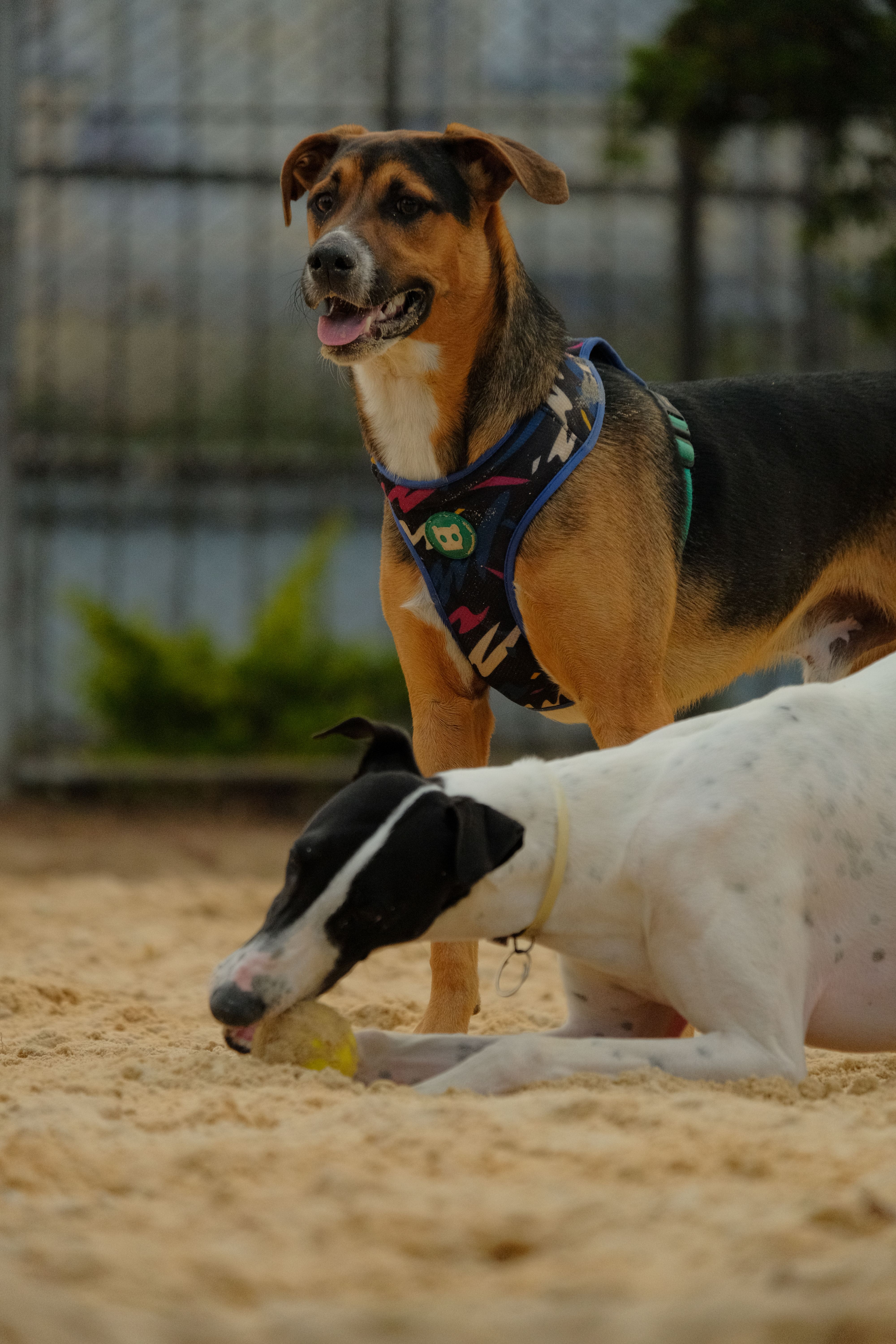
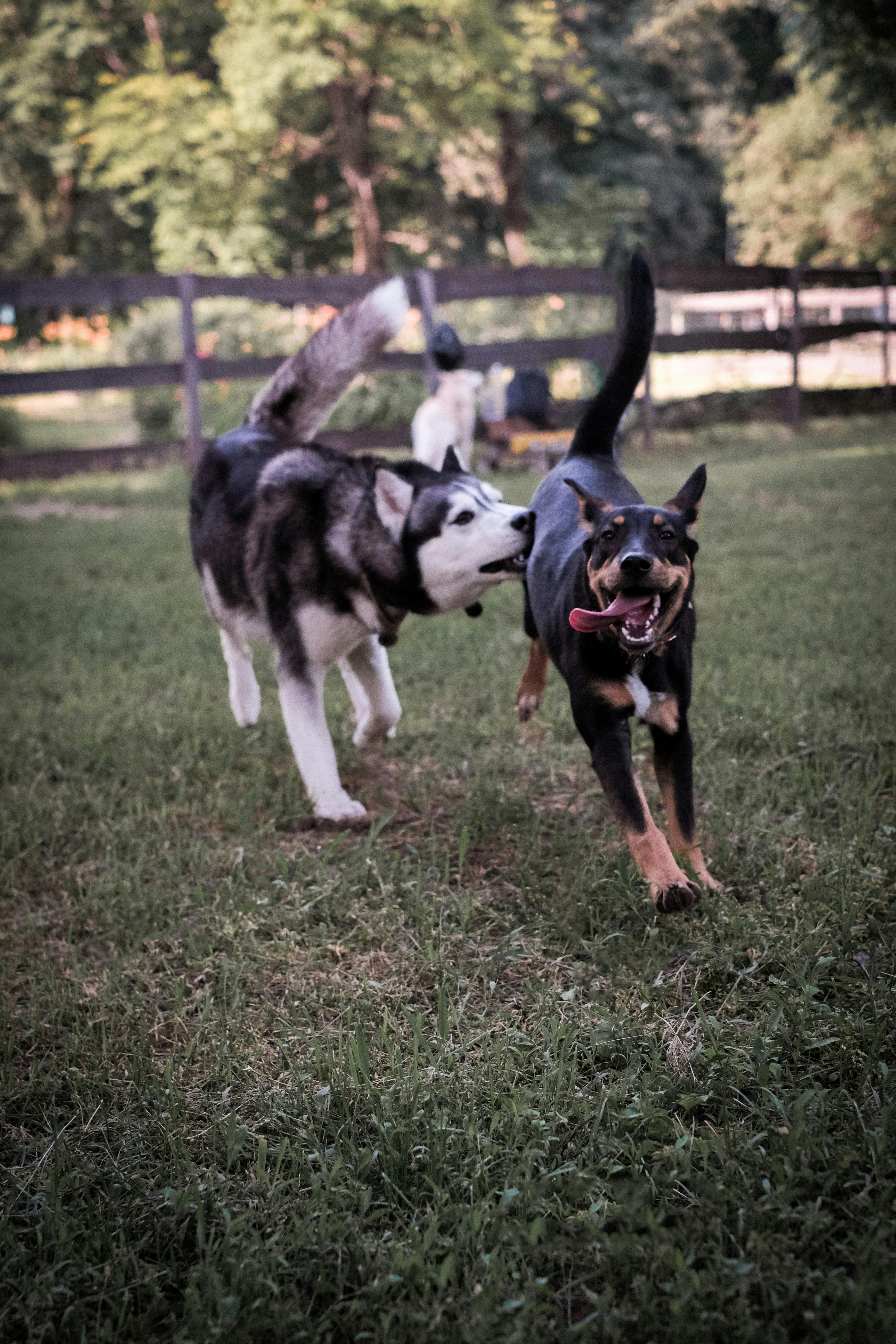
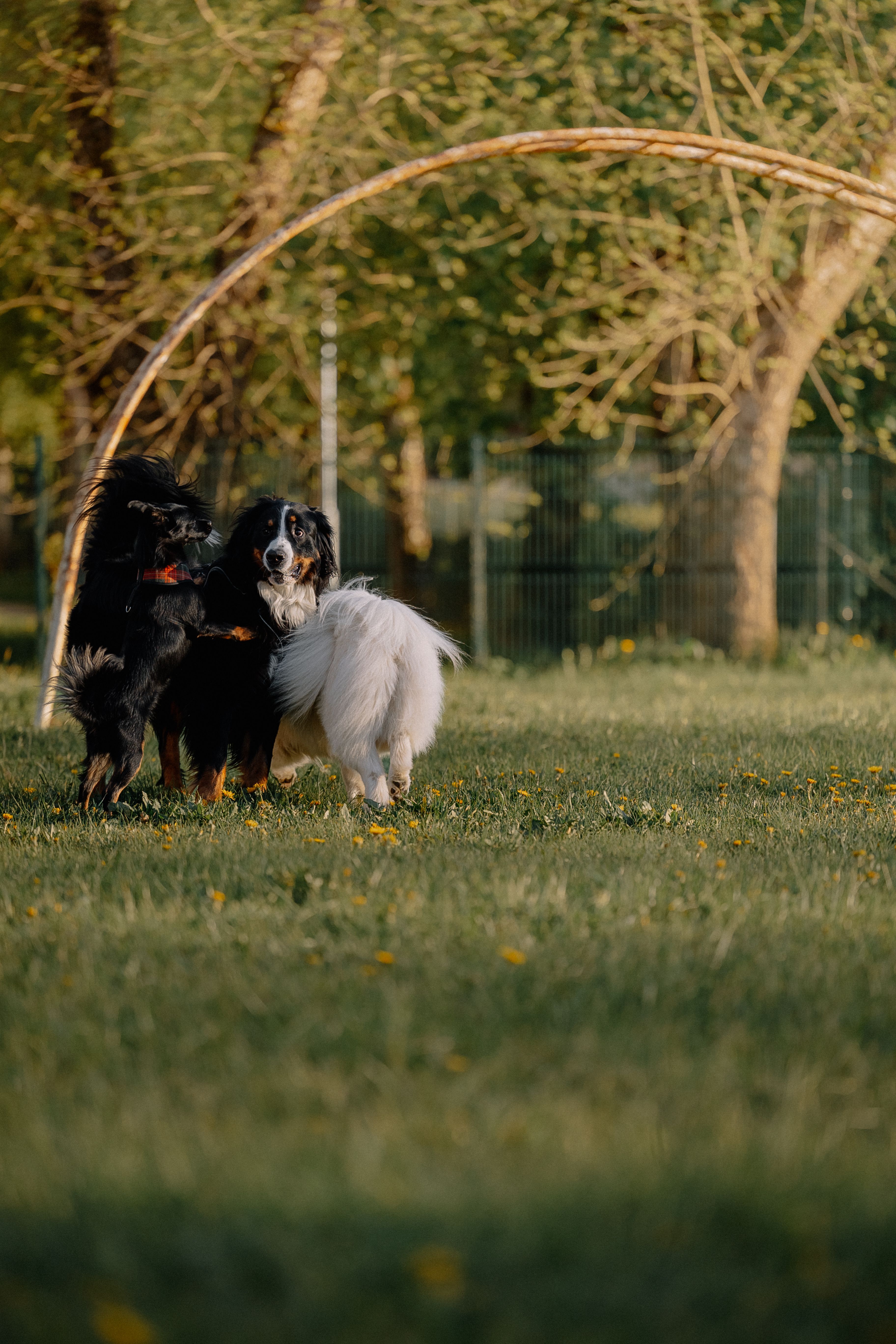
When a dog park is actually going well, dogs circulate. They engage, disengage, chase, sniff, wander off, come back. There's a looseness to it. Ears are soft. Mouths are open. Bodies are fluid. Nobody is fixating on anybody else for too long.
When a dog park is not going well, the energy has a different texture. A group of dogs piles on one dog who keeps trying to get away. An owner frozen in that halfway posture, arms slightly out, weight forward, not quite ready to step in. Two dogs in a hard stare-down while everyone nearby pretends not to notice.
Watch the owners too. The dog parks that work tend to have owners who are paying attention. Not hovering, not micromanaging every sniff. But watching. Ready. Actually there.
That one thing makes a bigger difference than the fencing, the square footage, or the water station.
Some Dogs Are Not Dog Park Dogs. That's Completely Fine.
This is the part that doesn't get said enough: not every dog is built for it.
Some dogs are perfectly healthy, well-adjusted, socially stable animals who find large groups of unfamiliar dogs overwhelming, uninteresting, or genuinely stressful. Older dogs. Dogs with selective social preferences. Dogs who had a rough early experience with other dogs and never fully recovered their confidence around strangers. Dogs who just don't like it that much.
These dogs do not need to "learn" to love the dog park. They need you to stop taking them there.
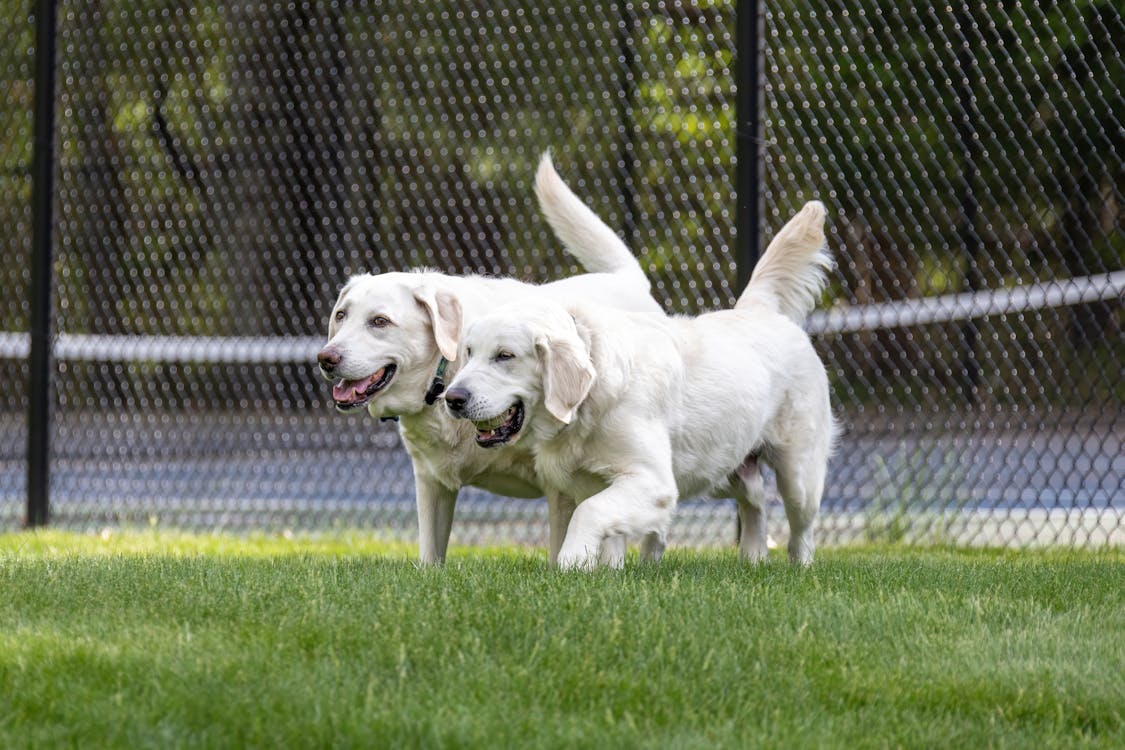
Your dog does not need to be a pack animal in an open field with 30 strangers. Some dogs want one trusted friend and a long, slow walk. Some dogs want to run with you and go home. That is a complete and satisfying dog life. The dog park is not a requirement, and forcing a dog who hates it to keep going is not socialization. It's just stress on a leash.
Knowing what your dog actually wants takes watching. The dog park can be a useful place to do some of that watching, even if it turns out not to be the right destination.
The Thing Worth Knowing Before You Write It Off
Every dog park has a rhythm.
Go at the same time for a few weeks and you start to recognize the regulars. You learn which dogs play well together. Which owners are paying attention. Which dogs are always a little too wound up on Saturday mornings but completely different on Wednesday at 8 AM.
That's when the dog park becomes useful. Not the first visit, when everyone is a stranger and the energy is unpredictable. The fifth Wednesday, when it's the same four dogs and everyone knows the rules.
Go enough times to learn the room. Then decide if it's the right room for your dog.
Every purchase at LUCKY+DOG goes directly to rescue groups and no-kill shelters. The same organizations doing the daily work of getting dogs out of overcrowded facilities and into the right hands. That's the whole reason we started this brand. Not a footnote.
What's your dog park situation? Love it, gave up on it, figured out the right time of day to make it work? Drop it in the comments. I'm genuinely curious what people are working with out there.