

The New World Screwworm Just Reached Texas for the First Time in 60 Years. Your Dog Is Not Exempt.
Jun 09, 2026
If you've been following Texas ranching news lately, you've heard the alarm. The New World screwworm has been confirmed in the state for the first time in 60 years, and agricultural agencies are moving fast. Most of the coverage has stayed focused on livestock. That's understandable. Cattle losses from screwworm can be catastrophic, and the economic stakes are enormous.
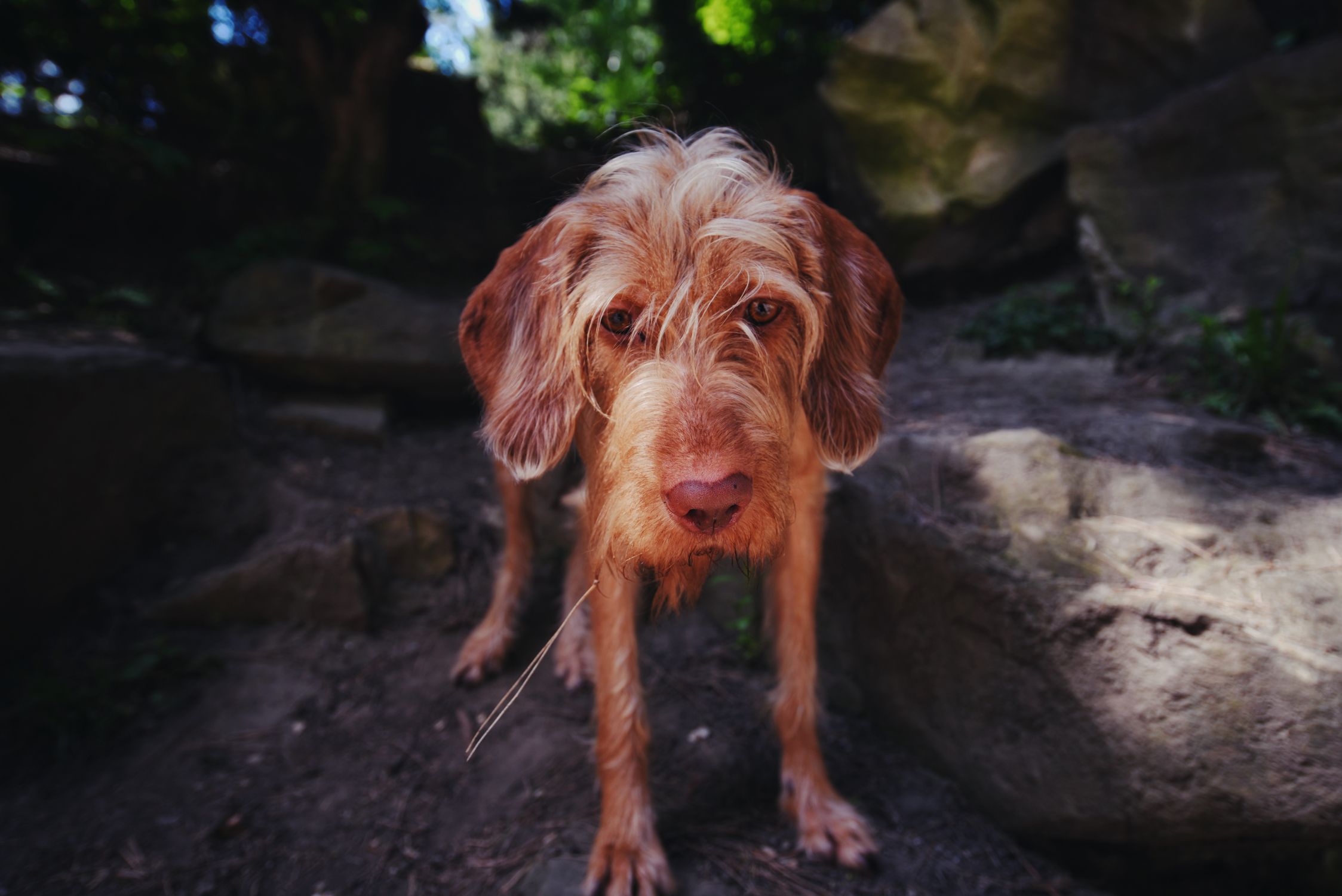
But here's what the livestock headlines are leaving out: this parasite does not care whether your animal has hooves or paws. Dogs are susceptible. So are cats. So, in rare cases, are people.
If you have an outdoor dog in Texas or anywhere in the South, this is information you need right now.
What the Screwworm Actually Is
The New World screwworm is a fly. Cochliomyia hominivorax, if you want the formal name. The female lays her eggs in open wounds on living animals. Not dead tissue. Living tissue. The larvae that hatch feed on that tissue and burrow deeper as they grow, which is what makes this parasite uniquely dangerous. Left untreated, an infestation can be fatal.
Any wound qualifies as an entry point. A small scrape from a fence post. A cut pad from trail debris. A tick bite that broke the skin. Even a surgical incision site that isn't fully healed.
The fly is drawn to the smell of blood and open wounds. It moves fast. Eggs can hatch within 12 to 24 hours of being laid, and larvae can cause serious tissue damage within days.
This is not a slow-moving threat.
Why Dog Owners Need to Take This Seriously
The USDA and Texas animal health agencies have been clear that New World screwworm affects all warm-blooded animals. The bulk of confirmed cases and the bulk of emergency resources have gone toward livestock, because the agricultural impact is so large. That focus makes sense from a policy standpoint.
It also means dogs are getting left out of the public-facing guidance, and that's a problem.
Dogs spend time outdoors. They get nicks and scrapes constantly. Many of them don't show obvious signs of discomfort until an infestation is already advanced. And unlike a rancher who is visually inspecting their herd daily for economic reasons, most dog owners don't conduct routine wound checks unless something looks obviously wrong.
The gap between when an infestation starts and when a dog owner notices it is exactly the window that makes this dangerous.
Signs to Watch For
A screwworm infestation can look like a lot of things before it looks like larvae. Know what to check.
- A wound that smells foul or rotten, beyond normal healing
- Visible movement in a wound, or tiny white larvae in or around the tissue
- A wound that is growing or deepening instead of healing
- Your dog obsessively licking or chewing at a wound they haven't touched before
- Unusual lethargy, restlessness, or a dog that seems "off" without a clear reason
- Swelling around a wound that appeared minor
If your dog has any wound and you are in or near an affected area of Texas, you should be checking it daily. Not weekly. Daily.
If You Suspect an Infestation
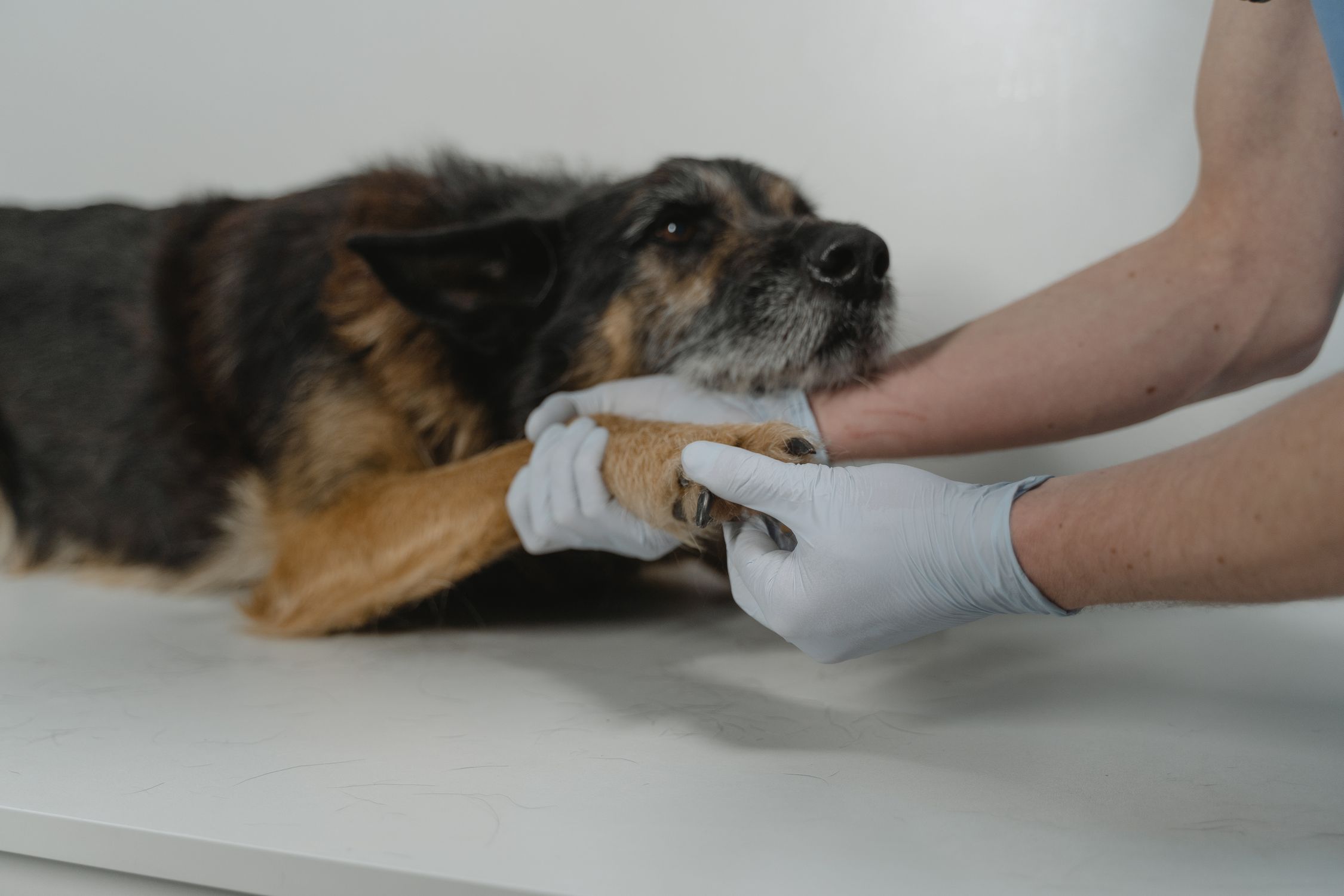
Call your vet immediately. Do not wait to see if it resolves. Do not attempt to remove larvae at home.
New World screwworm is a federally reportable condition. Your vet is required to report a confirmed or suspected case to the Texas Animal Health Commission. That reporting chain is what allows authorities to track the spread, so the process matters beyond just your dog's treatment.
Tell your vet about any recent outdoor activity, travel in the region, or wounds you've noticed. The sooner they can assess and treat, the better the outcome.
What You Can Do to Reduce Risk
You can't keep your dog in a sterile bubble. You can close the gap between exposure and detection.
Inspect your dog after every outdoor session. Run your hands over their body slowly and check any spot with fur that could hide a small wound. Pay extra attention to the face, ears, between the toes, and the underbelly.
Keep any existing wounds clean and covered. Ask your vet about wound covers or sprays appropriate for outdoor dogs. Change bandages regularly and watch for any change in smell or appearance.
Be especially alert during peak fly season. Warm months in South and Central Texas are prime conditions. Screwworm flies are most active in the heat.
If your dog has had any recent surgery or procedure, keep the incision site monitored closely and limit outdoor access while it heals.
The whole reason we're here is the dogs.
This is a serious situation developing in real time, and dog owners in Texas deserve the same urgency and clear information that ranchers are getting. Share this post with any dog owner you know in the South. The more people watching closely, the faster a problem gets caught.
If you have questions or have seen something that concerns you, your vet is the right first call. Trust your instincts. You know your dog.
Sources
- USDA Confirms Presence of New World Screwworm in the United States — USDA APHIS
- First U.S. screwworm case confirmed in South Texas — Texas Tribune
- Screwworm fly detected in Texas decades after cattle threat was largely eradicated in U.S. — PBS NewsHour
- New World Screwworms — Texas Animal Health Commission — TAHC