

How to Keep Your Dog Safe on Halloween Night
Oct 16, 2026
Halloween lands on a Saturday this year. That means a whole evening of doorbells, a candy bowl by the door, and a street full of small superheroes, on a night when most of us are home, busy and a little distracted. For a lot of dogs, it is one of the riskiest nights of the fall.
The numbers back that up. Pet Poison Helpline reports that its calls rise about 12 percent during Halloween week, which makes it the busiest stretch of the year for its veterinarians.
The good news is that almost all of the trouble is predictable. We read through what the AVMA, the ASPCA and the AKC recommend and sorted it into the order you will actually need it, starting with the candy and ending with the collar.
Keep Chocolate, Xylitol and Wrappers Out of Reach
Chocolate is the risk everyone has heard about. According to the AKC, every kind of chocolate contains theobromine, which can harm dogs and is sometimes fatal. The darker the chocolate, the greater the risk, so baking chocolate and dark bars are the ones to worry about most.
Xylitol is the one people miss. It is a sugar substitute found in sugar free gum, candy and baked goods. The ASPCA says even small amounts can cause a sudden drop in a dog's blood sugar, which can lead to lack of coordination, seizures and liver failure. Read the label on anything sugar free that comes into the house, including what is already in your pantry.
Then there is the rest of the bag. The AKC and the AVMA both warn that raisins can cause kidney failure in dogs. Hard candy can cause a blockage. Wrappers can get stuck in a dog's throat or gut, and the AKC notes that can mean surgery to get them out.
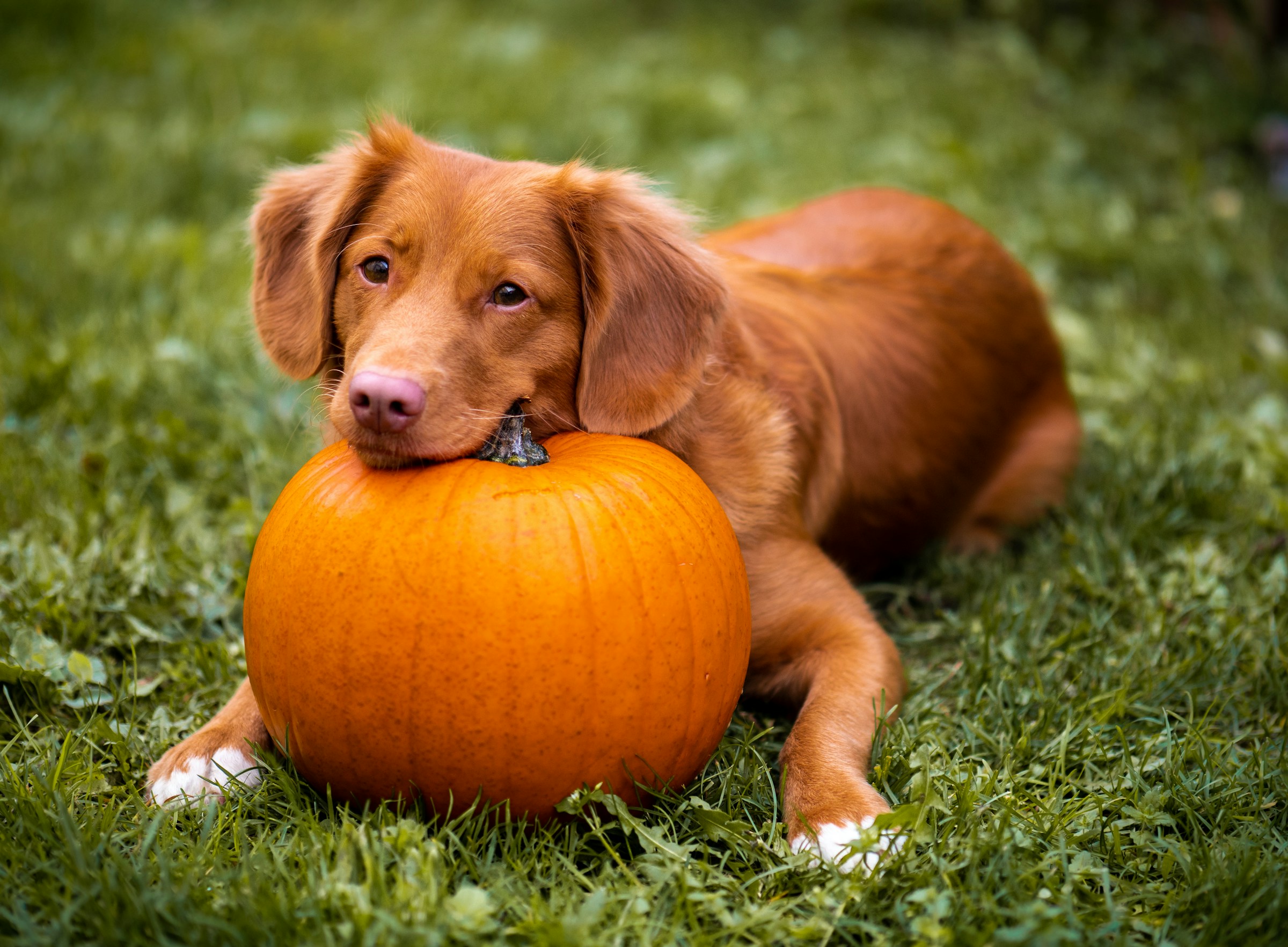
A few habits cover most of it:
Keep the bowl up high. The ASPCA recommends high counters for candy bowls and bags. A low table by the front door sits right at the height of a Lab's nose.
Sort the haul at the table. Trick or treat bags have a way of ending up on the floor or under a bed. Agree on a spot before the kids get home.
Walk your route the next morning. The AKC suggests checking your yard and your usual walking route for dropped candy, wrappers and glow sticks the day after. On November 1, the sidewalks of every Austin neighborhood with good trick or treating will need it.
If Your Dog Eats Something, Call Right Away
The AKC's advice is direct: contact your veterinarian, an emergency veterinary clinic or a pet poison hotline immediately, because prompt treatment can lower the risk of serious complications. The ASPCA Animal Poison Control Center is staffed every day of the year at 888 426 4435.
If you can, grab the wrapper or the box before you call. What your dog ate, about how much, and when are the first things you will be asked. Do not try a home remedy you found online unless a veterinarian tells you to.
Plan for the Front Door Before the First Knock
Every doorbell is a chance for a dog to bolt. The ASPCA points out that the extra people on the street and the strange costumes can spook pets into running. Even a calm dog may not recognize the neighbor kid dressed as a dinosaur.
The AVMA recommends that dogs who are wary of strangers, or who have any tendency to bite, spend trick or treating hours in a separate room or a safe hiding spot. Texas A&M's veterinary college adds that a separate room also cuts down on territorial barking.
Set up a quiet room early. Somewhere away from the front door, with water, a bed and something good to chew. Get your dog settled before the first knock, not after the tenth.
Put a barrier between the dog and the door. The AKC suggests keeping dogs in a secure room or behind a gate whenever the door is opening often. A leash clipped on in the entryway works too.
Hand out candy outside. Sitting on the porch or the driveway with the bowl keeps the front door closed all evening.
Talk to your vet now if Halloween is hard for your dog. The ASPCA recommends speaking with your veterinarian well in advance about options to help a pet who gets very anxious with visitors.
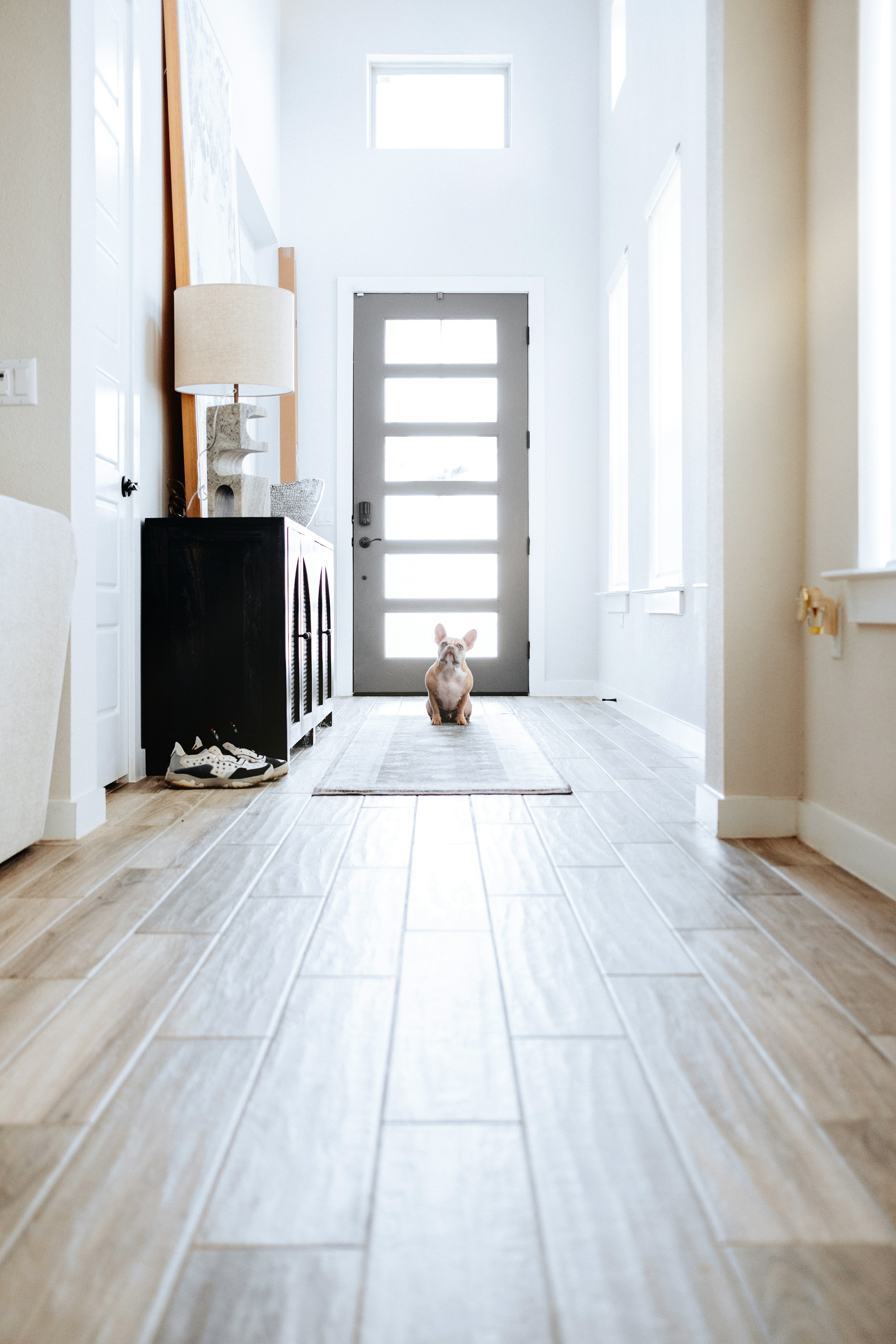
Check the Collar, Tag and Microchip Before the 31st
If your dog does slip out, identification is what gets them home. The AVMA recommends all three: a microchip, a collar and an ID tag, so anyone who finds your dog can reach you quickly.
Take five minutes this week to look at the tag. Is the phone number current? Is it still readable? Then log in to your microchip registry and make sure the contact details there are current too. A chip only helps if it leads back to you.
If you walk your dog on Halloween evening, the ASPCA recommends a reflective collar and a secure leash. It is usually easier to get the walk in before dark, before the sidewalks fill up.
Try the Costume On Before Halloween, and Skip It If Your Dog Hates It
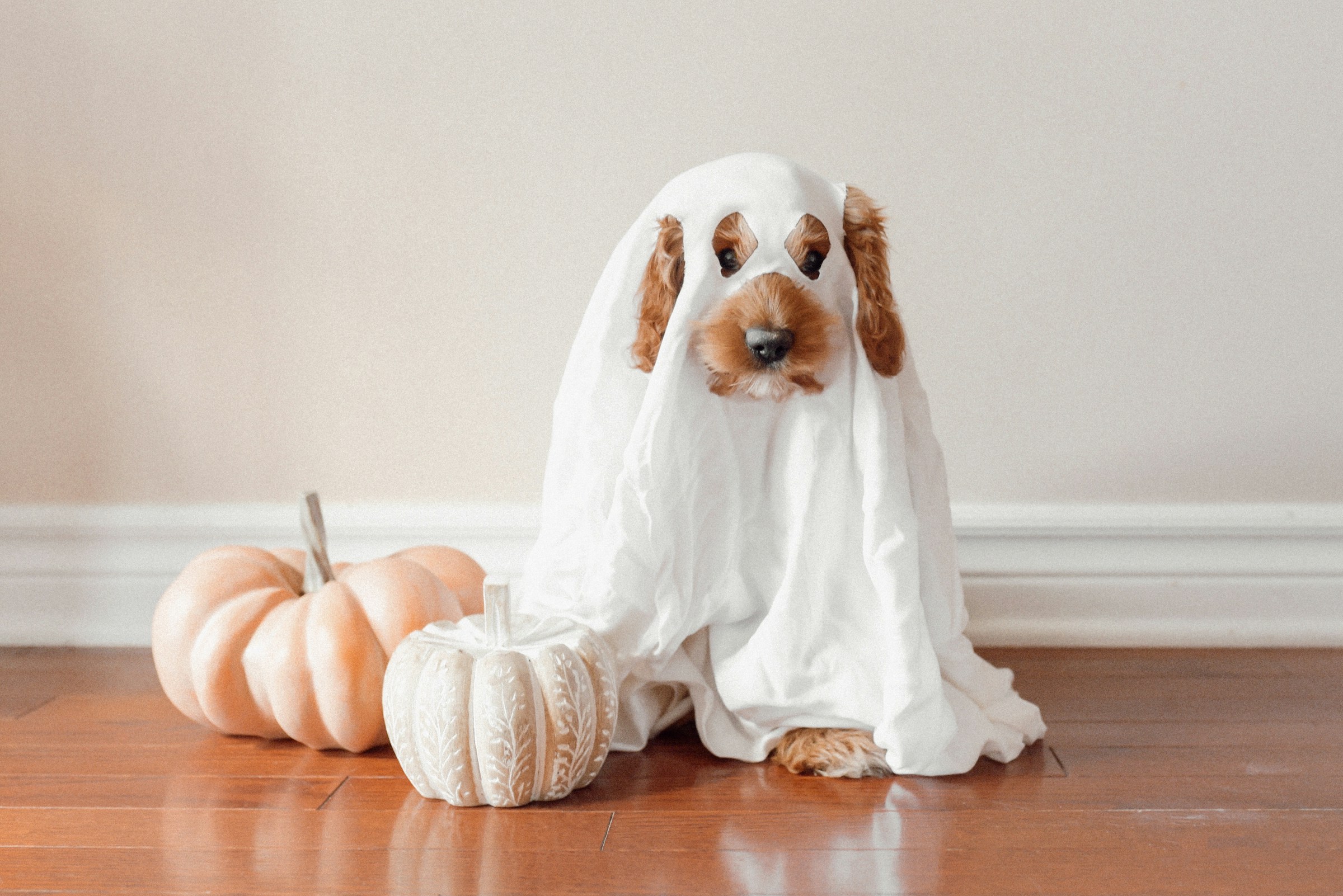
The ASPCA's first rule on costumes is that your dog should actually enjoy wearing one. If they freeze, hide or keep trying to wriggle out, a festive bandana gets the photo without the stress.
If your dog is fine with it, here is what to check, drawn from the ASPCA, the AKC and the AVMA:
Fit. The costume should not restrict movement, sight, hearing, breathing or barking. Nothing tight around the neck, and nothing dragging on the ground.
Small parts. Skip beads, buttons, ribbons, snaps and anything else that can be chewed off and swallowed.
Heat. Texas A&M's veterinary college warns about overheating in warm weather. Late October afternoons in Austin can still be warm, so a thick fleece suit is a bad idea for an outdoor party.
A trial run. The ASPCA suggests trying the costume on before Halloween night, and Texas A&M recommends practicing several times.
And never leave a dog alone in a costume. The ASPCA is clear on that one.
Move Glow Sticks, Candles and Carved Pumpkins Off the Floor
Glow sticks look a lot like chew toys. The ASPCA says most are labeled nontoxic, but the liquid inside is extremely bitter, and dogs who bite into one may drool heavily and race around the house.
The AVMA recommends keeping lit candles, carved pumpkins, batteries and other decorations out of reach. A wagging tail can knock over a candle, and the AKC suggests flameless LED candles to get the same glow without the open flame. Texas A&M adds pumpkin seeds, decorative corn and electrical cords to the list of things to secure.
The Collar Your Dog Wears That Night
Of everything on this list, the collar is the one thing your dog has on if the door swings open at the wrong moment. An engraved collar puts your phone number in front of whoever finds your dog, with no tag to fall off or go unread.
If your dog wears a Fi tracker, it adds one more layer: their location on a map on your phone while you are out looking. We make Fi collar bands to order here in Austin, with your number engraved right on the band.

Every LUCKY+DOG purchase supports rescue groups and no kill shelters. So put the candy up high, check the tag, close the door behind every trick or treater, and enjoy the parade from the porch.